
Why Light Duty Towing Services Matter for Everyday Roadside Situations
Nicholas Van | August 28, 2026
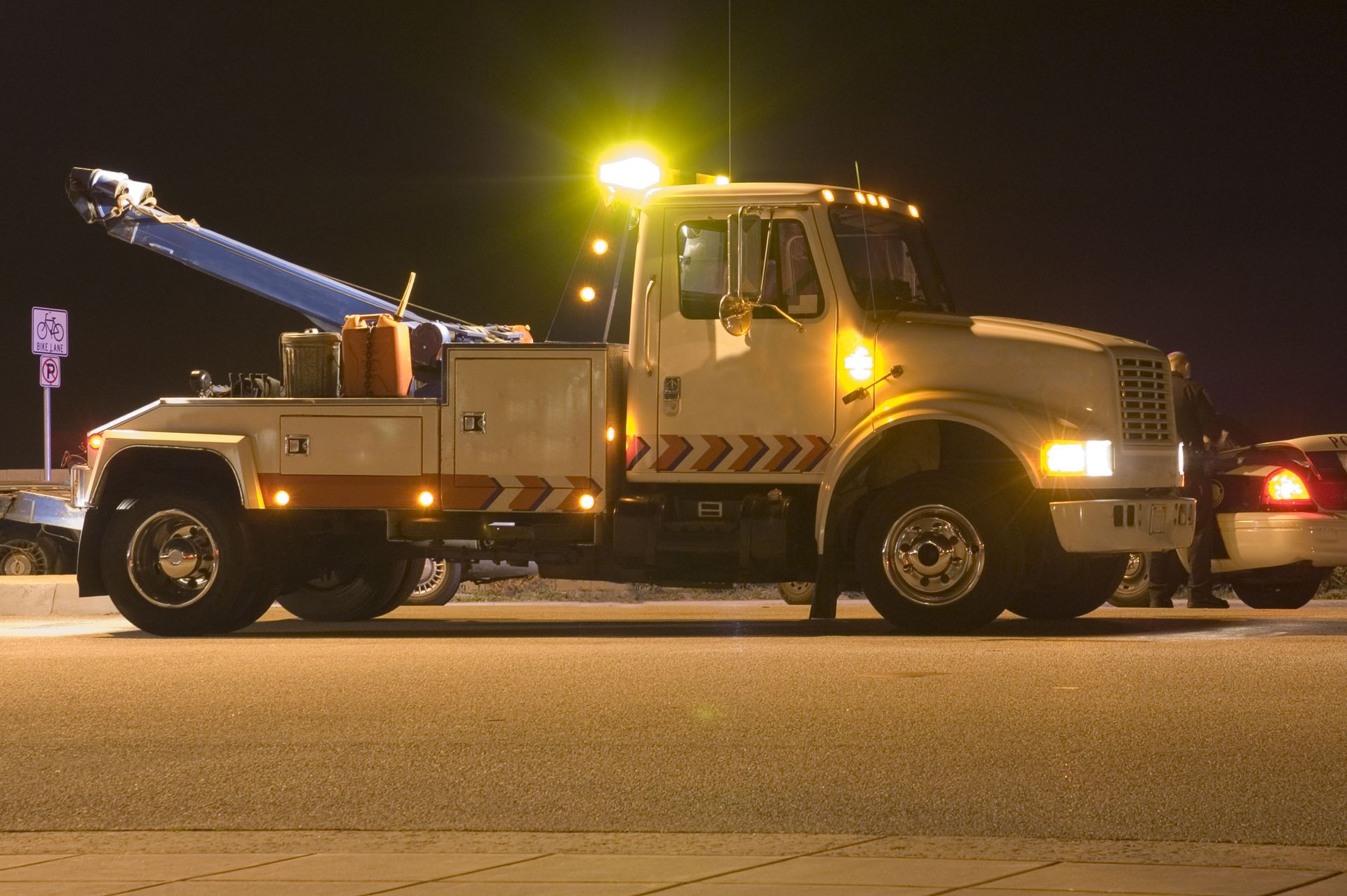
Unexpected vehicle trouble can happen during an ordinary commute, a quick errand, or a weekend drive. A flat tire, dead battery, mechanical failure, or minor collision can leave a driver stranded without a safe way to move the vehicle. In these situations, light duty towing services provide practical support for passenger cars, small SUVs, pickup trucks, and other everyday vehicles that need transportation or roadside assistance. Having access to the right towing option can help drivers move a disabled vehicle efficiently while reducing the stress that often comes with an unplanned roadside problem. Understanding how these services work can also make it easier to know when to call for help and what to expect during the process.
Providing Help During Common Breakdowns
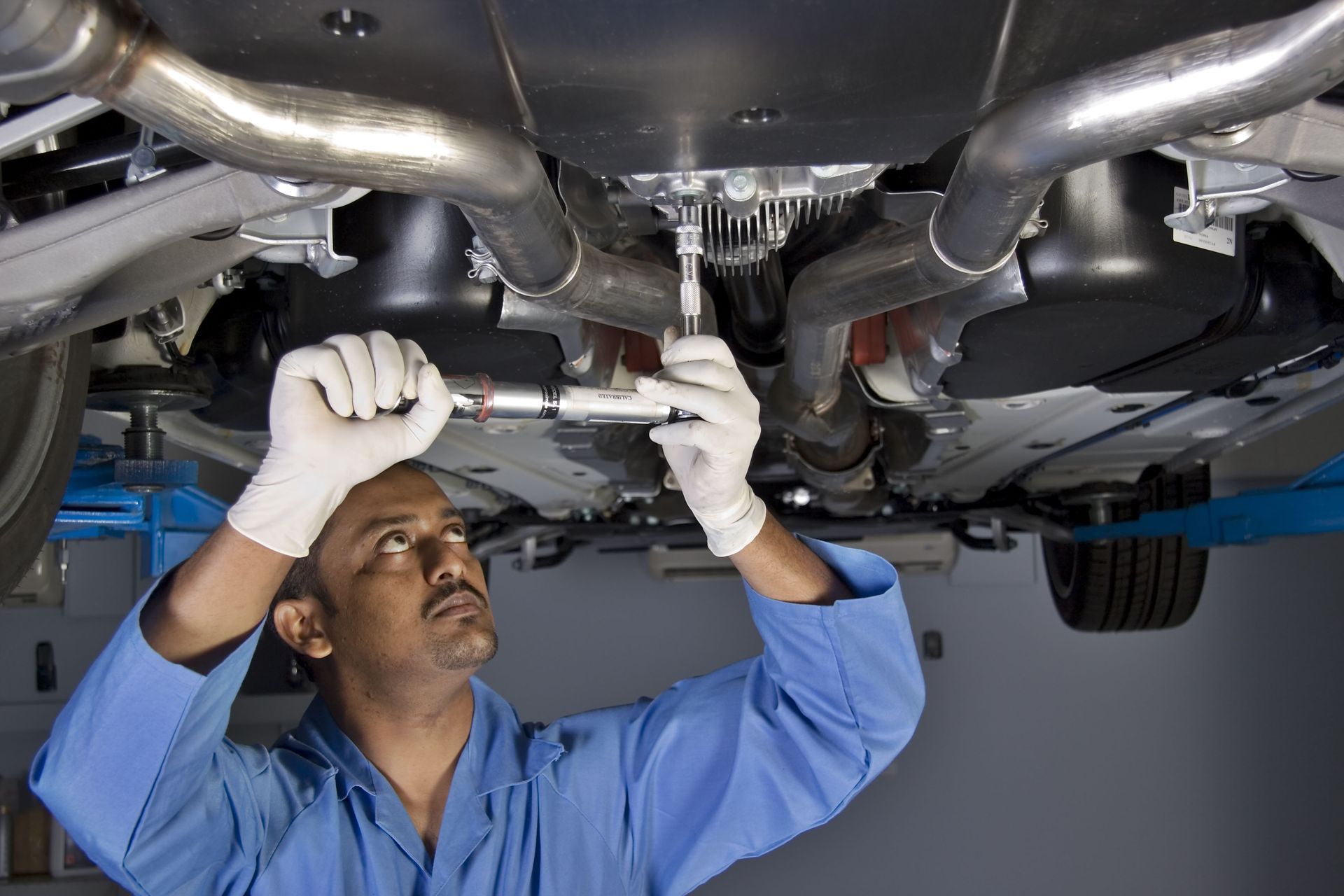
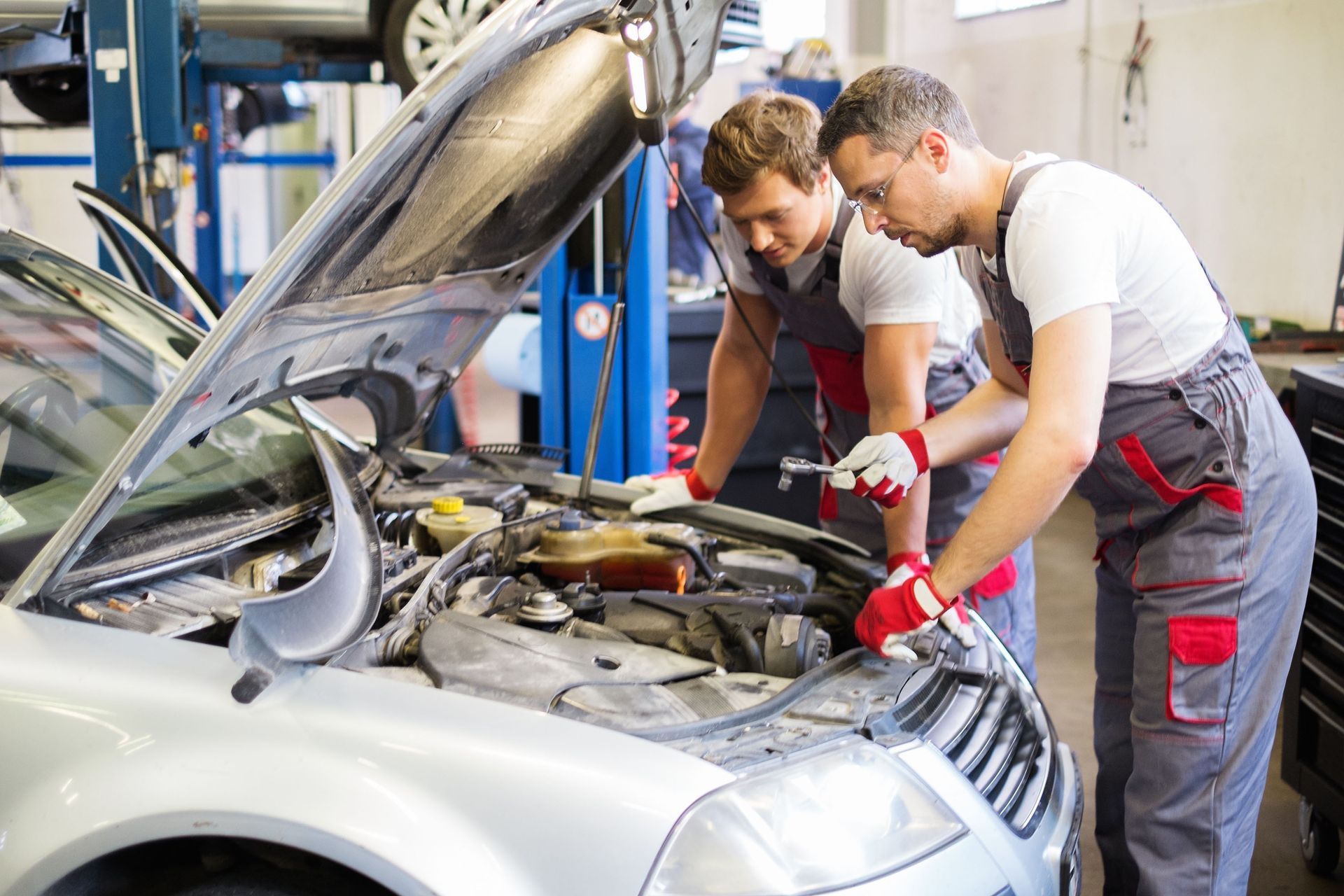
Mechanical problems do not always provide much warning. A vehicle may suddenly overheat, lose power, develop a transmission issue, or experience another problem that makes continued driving unsafe. Light duty towing services give drivers a way to move the vehicle to a repair shop, dealership, home, or another appropriate destination without risking additional damage.
Towing is especially useful when a problem cannot be corrected safely on the side of the road. Even if a vehicle still starts, driving it with an overheating engine, damaged tire, leaking fluid, or warning light may make the issue worse. Calling for professional towing allows the vehicle to be transported while the driver avoids taking unnecessary chances.
These situations can happen close to home or miles away from a familiar repair facility. A towing provider can help bridge that gap by safely relocating the vehicle so the next step in the repair process can begin.
Supporting Drivers After Minor Collisions
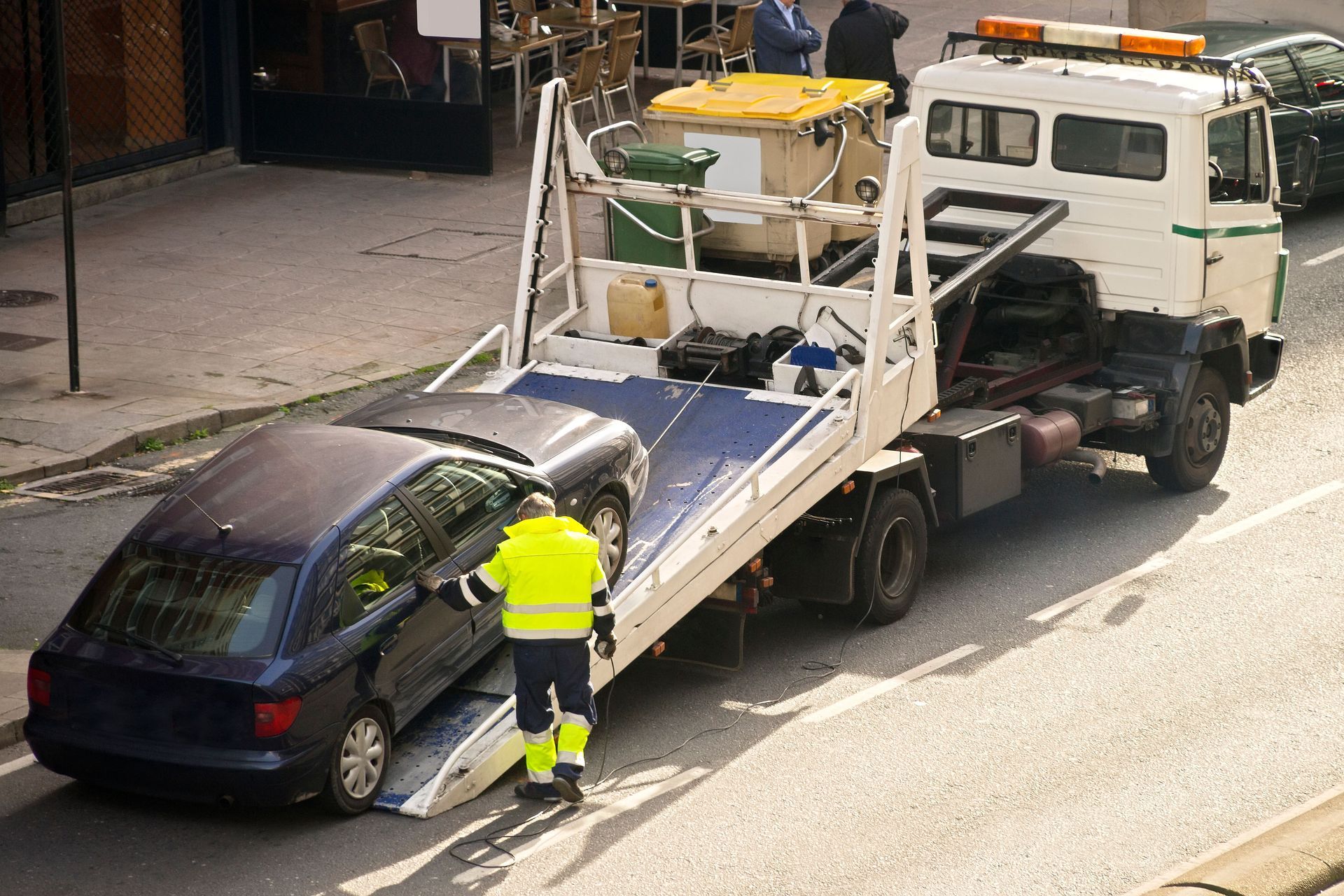
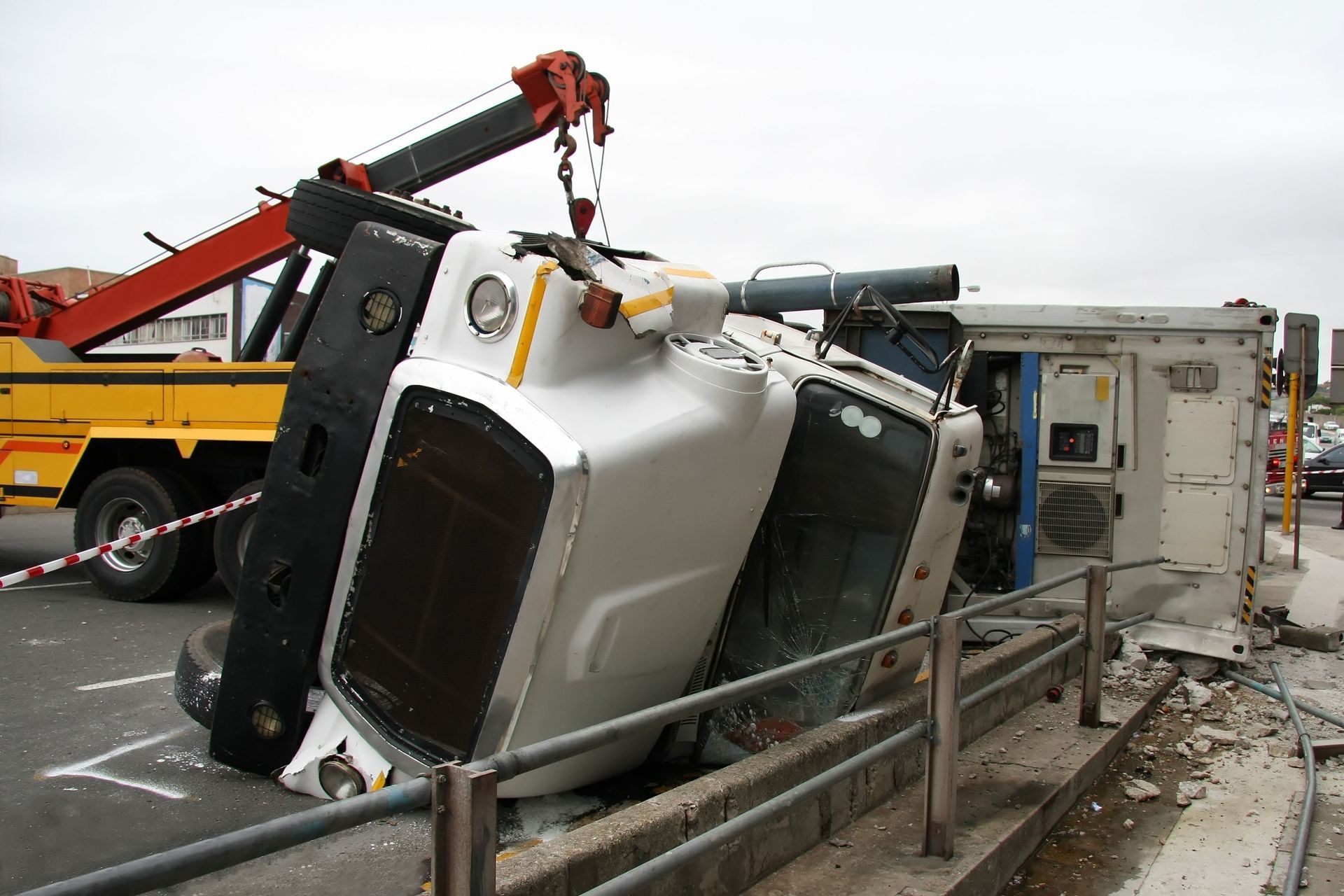
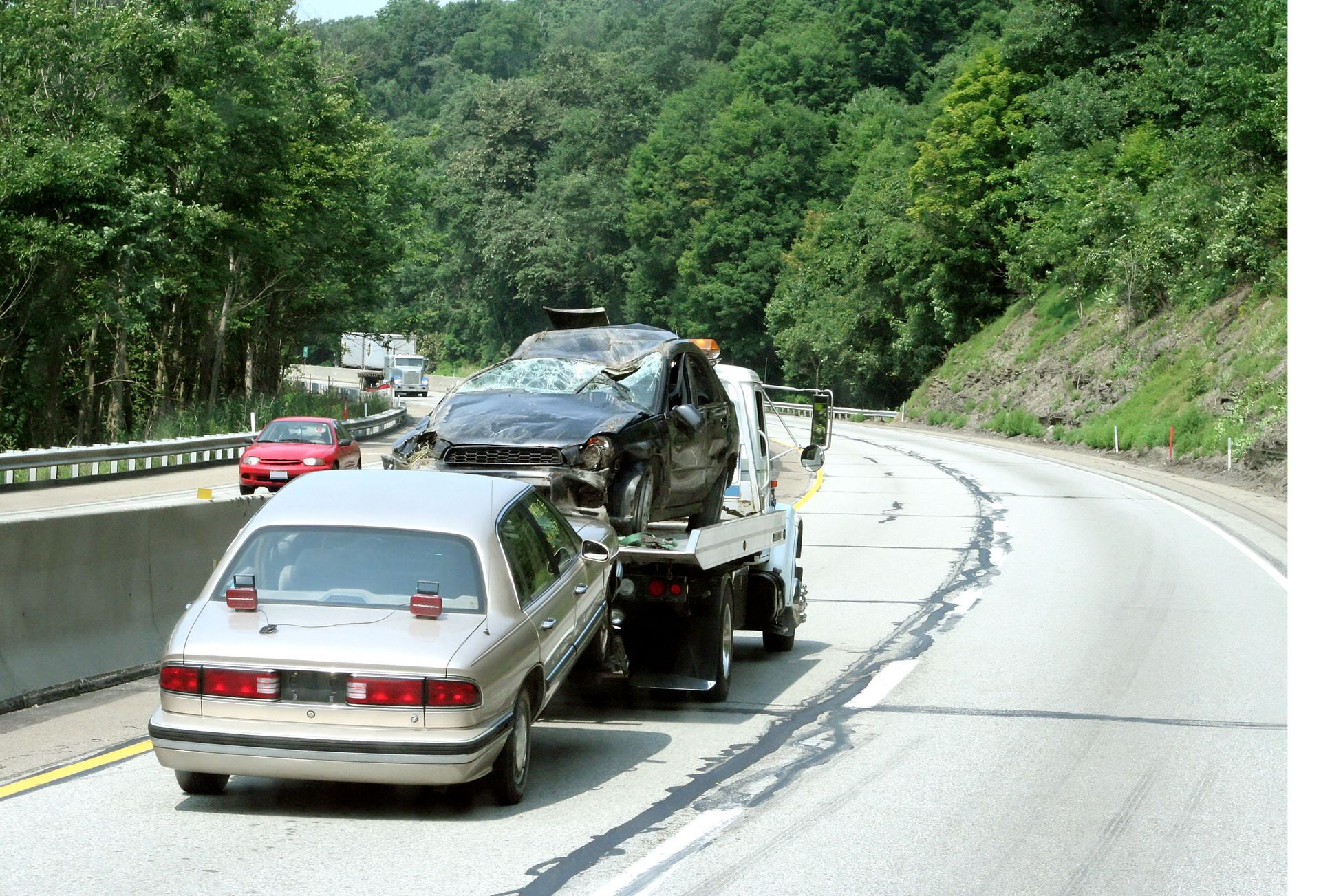
Not every collision causes severe vehicle damage, but even a relatively minor accident can leave a car unsafe or impossible to drive. Bent wheels, damaged suspension parts, broken lights, leaking fluids, or body panels rubbing against tires may prevent a driver from continuing safely. Light duty towing services can remove the affected vehicle from the roadway and transport it to a repair facility or another destination.
Prompt vehicle removal can also help reduce secondary hazards. A disabled car that remains in a traffic lane, shoulder, intersection, or other exposed area may create risks for the driver and passing motorists. Once emergency personnel have addressed immediate safety concerns, towing can help clear the area and move the vehicle somewhere more secure.
Drivers may also feel shaken after a collision. Having a towing professional handle vehicle transport allows them to focus on exchanging information, contacting insurance, arranging transportation, and managing the other practical steps that follow an accident.
Handling Short and Moderate Towing Distances
Towing needs vary depending on where a breakdown happens and where the vehicle needs to go. Some drivers may only need transportation to a nearby repair shop, while others may need a longer trip to a preferred mechanic or their home. Light duty towing services are designed to handle many of these routine transportation needs.
According to LookupAPlate, a typical tow in the U.S. covers a distance of 10 to 40 miles. That range reflects how towing is often used in everyday situations rather than only during major emergencies. A vehicle may break down on the opposite side of town, along a highway, or outside the immediate area where the driver normally travels.
Before arranging a tow, drivers can ask where the vehicle will be taken and whether distance affects the service cost. Clear communication about the destination helps the towing provider prepare for the job and helps the customer understand what to expect before the vehicle is moved.
Reducing Risks on Busy Roads
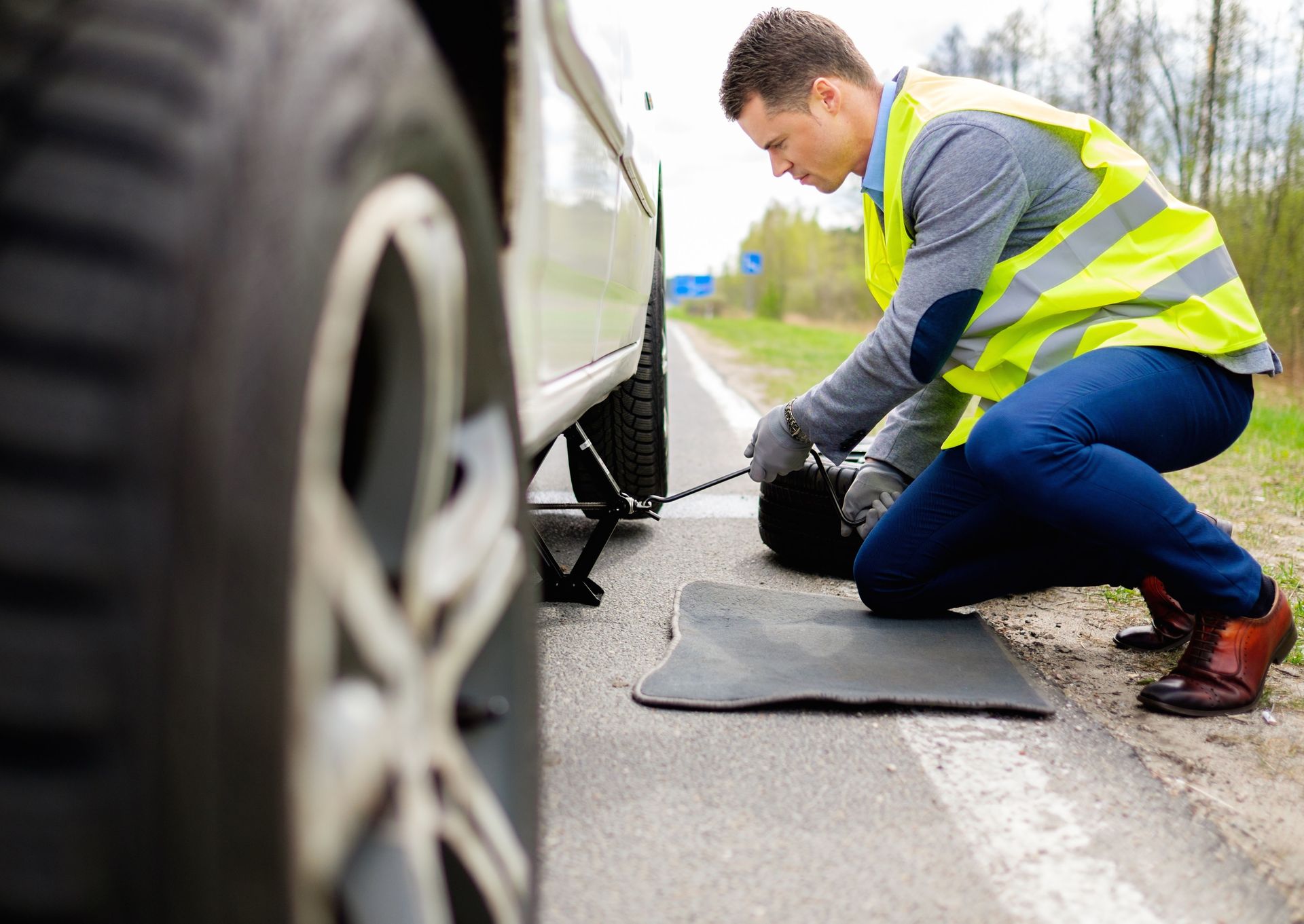
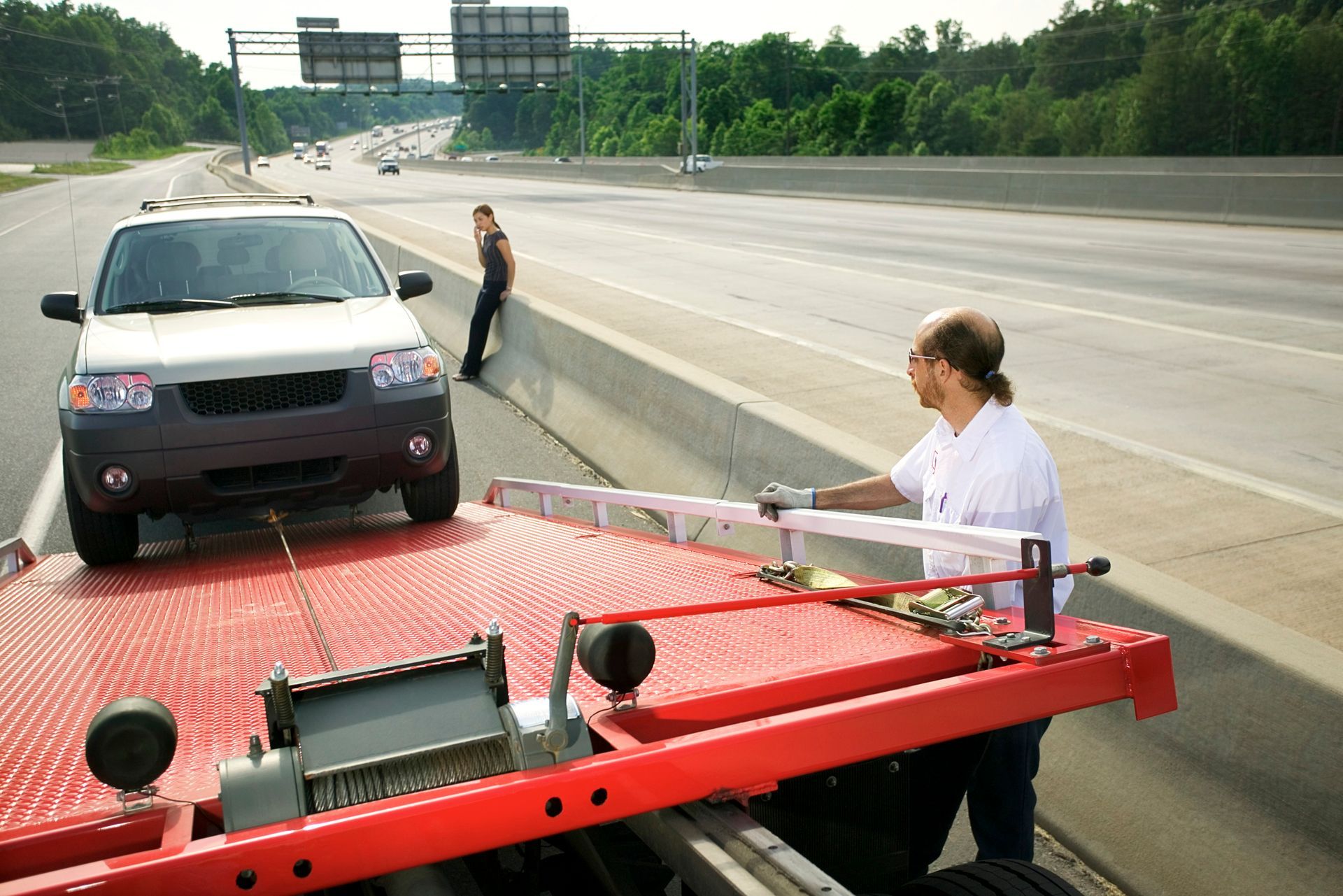
Roadside breakdowns can become dangerous when they happen near moving traffic. Highways, intersections, narrow shoulders, and poorly lit roads can make it difficult for drivers to inspect a vehicle or attempt repairs safely. Light duty towing services provide an alternative when remaining near the disabled vehicle would create unnecessary exposure to traffic.
Whenever possible, drivers should move to a safe location, turn on hazard lights, and remain aware of surrounding vehicles while waiting for assistance. If the vehicle cannot be moved, the safest course may be to stay in a protected location and avoid standing near traffic.
A towing professional has equipment and procedures for loading and transporting vehicles from challenging roadside locations. While every situation is different, professional assistance can reduce the amount of time a driver spends trying to manage a disabled vehicle in an unsafe environment.
Protecting Vehicles During Transportation
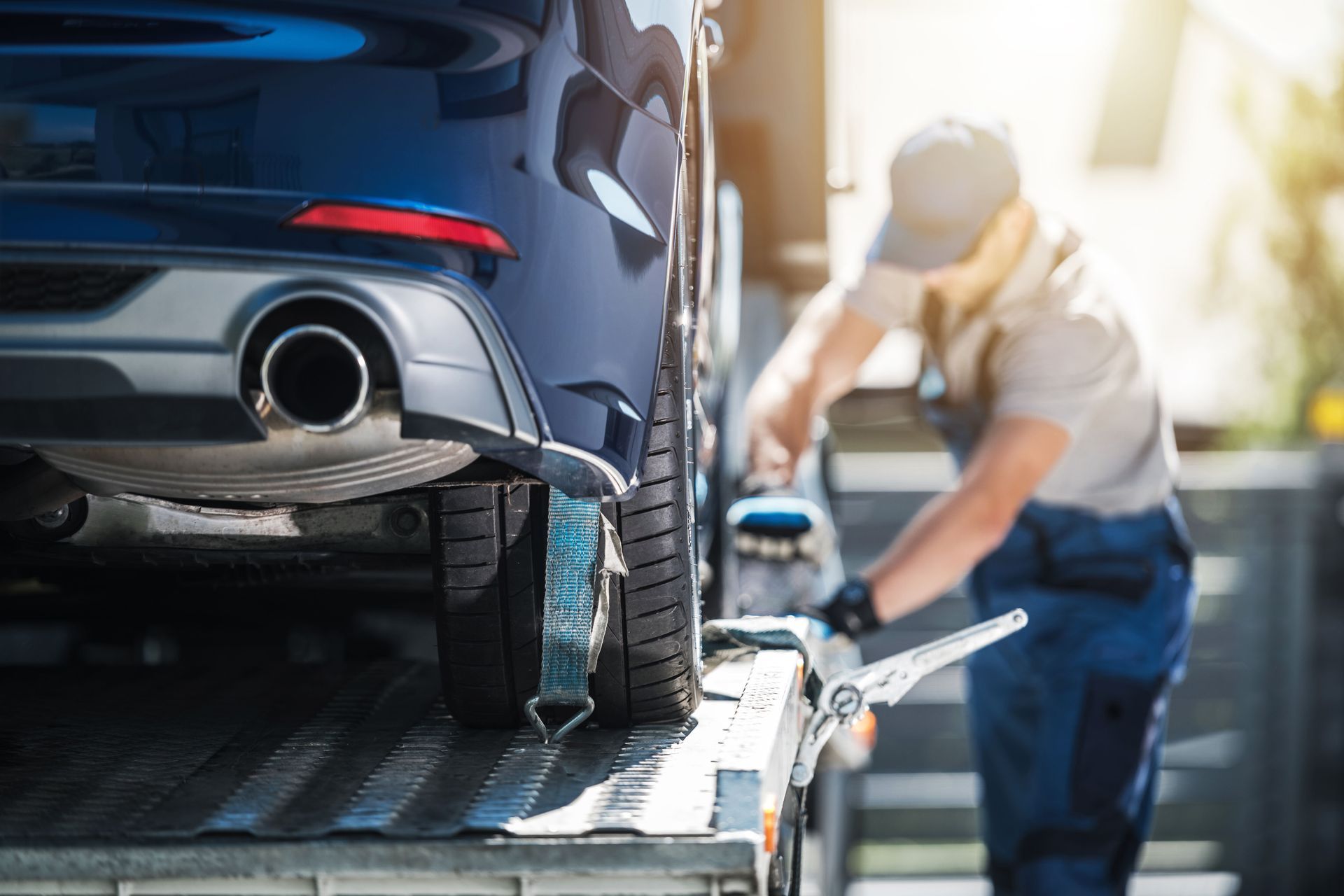
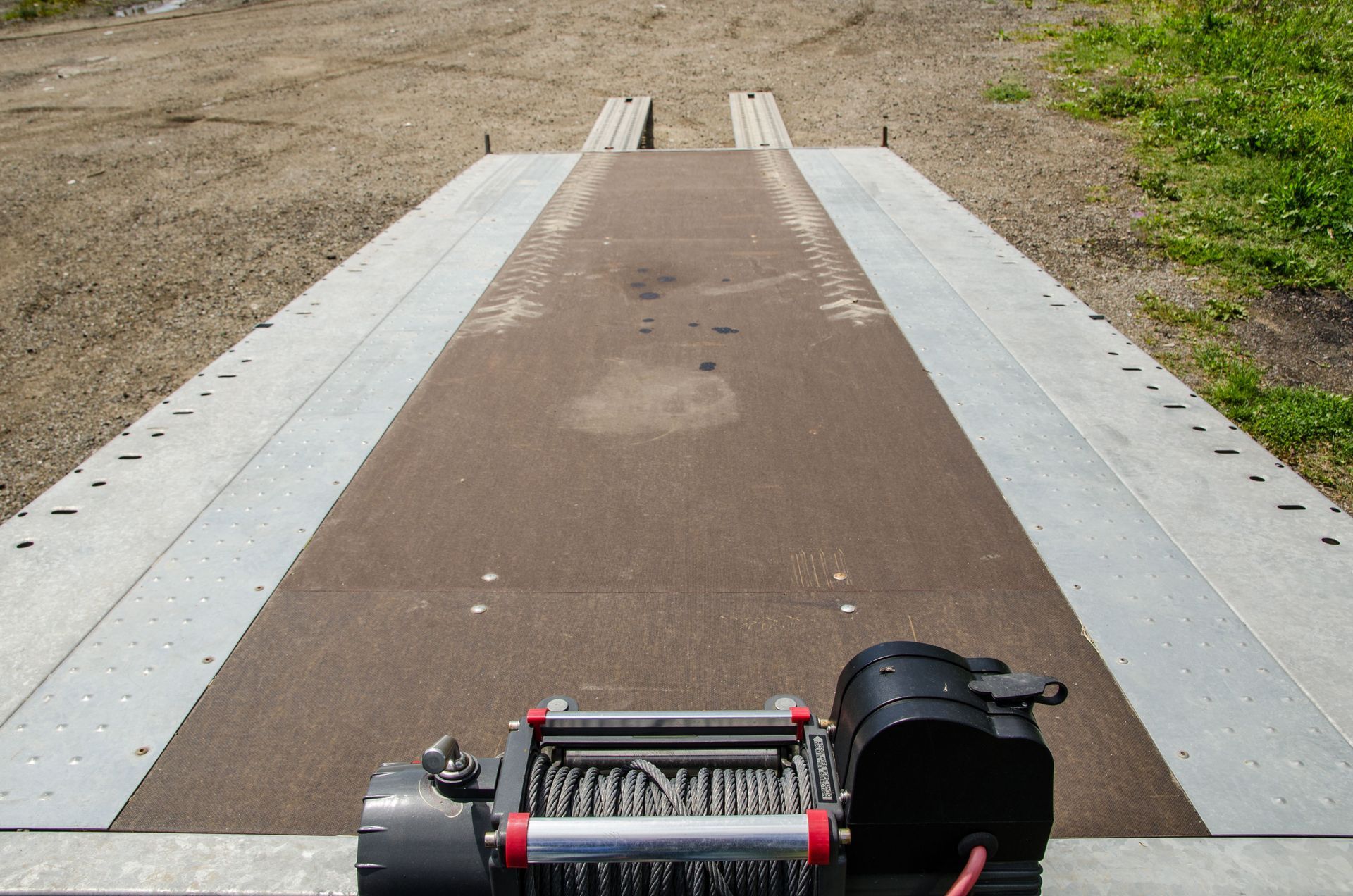
Moving a disabled vehicle requires more than attaching it to another vehicle and pulling it away. The towing method must match the type of vehicle, its condition, and the nature of the problem. Light duty towing services use equipment intended for everyday passenger vehicles, helping support controlled loading, securement, and transport.
Proper handling matters because an incorrect towing method can place additional stress on tires, suspension components, steering systems, or drivetrains. For example, a vehicle with significant wheel or axle damage may require a different approach than a car with a dead battery or engine failure.
Drivers should describe the vehicle and the problem as clearly as possible when requesting service. Sharing the make and model, location, visible damage, and whether the vehicle can roll or steer gives the towing provider useful information. Those details can help the operator arrive with equipment suited to the situation.
Making Roadside Problems Easier to Manage
A roadside problem often creates several challenges at once. Drivers may need to determine what went wrong, find a safe place to wait, contact a repair facility, notify family members, or adjust their schedule. Light duty towing services simplify one important part of the situation by providing a dependable way to move the vehicle.
This support can be valuable even when the problem seems relatively simple. A vehicle that will not start in a parking lot, a tire problem without a usable spare, or a mechanical issue discovered before a trip may still require transportation. Towing helps prevent drivers from forcing a damaged vehicle to continue operating when doing so could create more costly repairs.
Knowing the destination in advance can make the process smoother. Drivers may choose a local repair shop, dealership, residence, or another location depending on the circumstances. Having basic vehicle information and roadside assistance details ready can also make communication faster when requesting help.
Preparing for Future Roadside Situations
No driver can predict every breakdown, but some preparation can make an unexpected situation easier to handle. Saving the contact information for a local towing provider, keeping insurance and registration documents accessible, and knowing whether an insurance policy or roadside assistance plan includes towing are useful steps.
Drivers should also pay attention to warning signs before a vehicle becomes disabled. Unusual noises, warning lights, fluid leaks, overheating, weak battery performance, or changes in handling may indicate a developing problem. Addressing those concerns early may prevent a breakdown, but
light duty towing services remain an important resource when a vehicle can no longer be driven safely.
Everyday roadside problems are inconvenient, but they do not have to become more complicated than necessary. Professional towing can help move a disabled vehicle, reduce roadside exposure, and connect drivers with the repair services they need. Call Fox City's Towing LLC today to schedule your towing service.
Share On: