
Roadside Assistance for Flat Tires: What Every Driver Should Know
Nicholas Van | June 12, 2026
Experiencing a suddenly deflated tire can instantly disrupt your day, leaving you stranded on the narrow shoulder of a hazardous highway. Navigating these unexpected automotive emergencies successfully requires proactive preparation, calm confidence, and dependable roadside assistance to ensure you can resume your journey safely without unnecessary delays or stressful complications.
Developing a comprehensive understanding of proper tire care helps motorists handle unexpected vehicular emergencies efficiently. Preventative maintenance tips describe essential vehicle recovery equipment, explain safe tire-replacement procedures, and help you choose appropriate professional support plans to keep your vehicle moving forward securely on every upcoming trip.
Understand Flat Tire Risks
Diverse road hazards like sharp construction debris, jagged metal shards, and deep potholes frequently cause sudden tire punctures. Prolonged exposure to extreme weather elements degrades automotive rubber over time, while improper inflation levels place immense structural stress on tread walls, accelerating unexpected failures during daily commutes.
Recognizing early indicators of deflation prevents severe vehicle damage and protects everyone sharing the road. Motorists often notice sudden steering resistance, unusual vibrations through the steering wheel, or rhythmic flapping noises, while integrated dashboard monitoring systems provide crucial alerts regarding dropping internal air pressure levels.
Operating a heavy vehicle with diminished tire pressure compromises handling capabilities and increases collision risks significantly. Continued driving damages expensive wheel rims, delicate suspension components, and vital braking systems through intense friction, turning a simple patch repair into an incredibly expensive mechanical overhaul.
Routine maintenance helps minimize the probability of experiencing unexpected tire failure while traveling across the country. Drivers should perform regular visual inspections for cracks, check tread depths using simple physical gauges, and ensure uniform wear across all positions to maximize safety and optimize performance.
Prioritize Personal Roadside Safety
Experiencing a suddenly deflated tire requires immediate situational awareness to guide your vehicle out of harm's way without causing a collision. Drivers should avoid slamming on the brakes and instead gradually decelerate while gently steering toward the furthest edge of the right shoulder. Creating a substantial physical buffer zone between the disabled vehicle and flowing highway traffic drastically reduces the likelihood of catastrophic secondary accidents.
Once the vehicle is safely positioned away from active lanes, activating emergency hazard lights becomes the next critical step. Maintaining high exterior visibility remains especially crucial during heavy rainstorms, dense fog, or late-night travel scenarios when driver reaction times are severely compromised.
Staying securely seated inside the passenger cabin provides the highest level of personal protection while awaiting professional intervention. Modern automotive engineering includes reinforced steel frames, crumple zones, and advanced supplemental restraint systems that shield occupants effectively during unexpected impacts. Wandering around the perimeter of a disabled vehicle on a busy interstate exposes individuals to immense physical danger from distracted passing drivers.
In the rare event that evacuating the vehicle becomes an absolute necessity due to smoke or dangerous fluid leaks, occupants must exit through the doors facing away from traffic. Passengers should quickly move behind sturdy highway guardrails, climb elevated embankments, and maintain a considerable physical distance from the active roadway.
Communicate Accurate Location Details
Securing professional help efficiently depends entirely on providing clear geographic coordinates to emergency dispatch operators. Delivering an exact location ensures that specialized recovery vehicles can navigate directly to your precise position without wandering through incorrect routes. Minimizing the overall time spent stranded on a hazardous shoulder inherently decreases the risk of encountering further complications or dangerous vehicular interactions.
Modern smartphone technology features integrated mapping that pinpoints your exact GPS coordinates with incredible accuracy. If cell data fails in remote areas, drivers must rely on physical markers like specific highway exit numbers, nearby cross-streets, or distinct physical landmarks. Relaying on environmental clues helps operators map out the fastest possible rescue route to your location.
Supplying detailed information guarantees that incoming roadside assistance will recognize your stranded vehicle immediately upon arrival. Callers should clearly state the specific make, model, year, and exterior paint color of their vehicle during the emergency call. Highlighting visual identifiers like prominent roof racks, custom wheels, or specific bumper stickers will expedite the process amidst heavy, congested traffic.
Keeping your cellular device easily accessible and sufficiently charged ensures continuous communication throughout the entire waiting period. Dispatchers frequently need to provide updated arrival estimates, confirm approaching technician locations, or issue supplementary safety instructions based on changing environmental conditions.
Obtain Professional Automotive Support
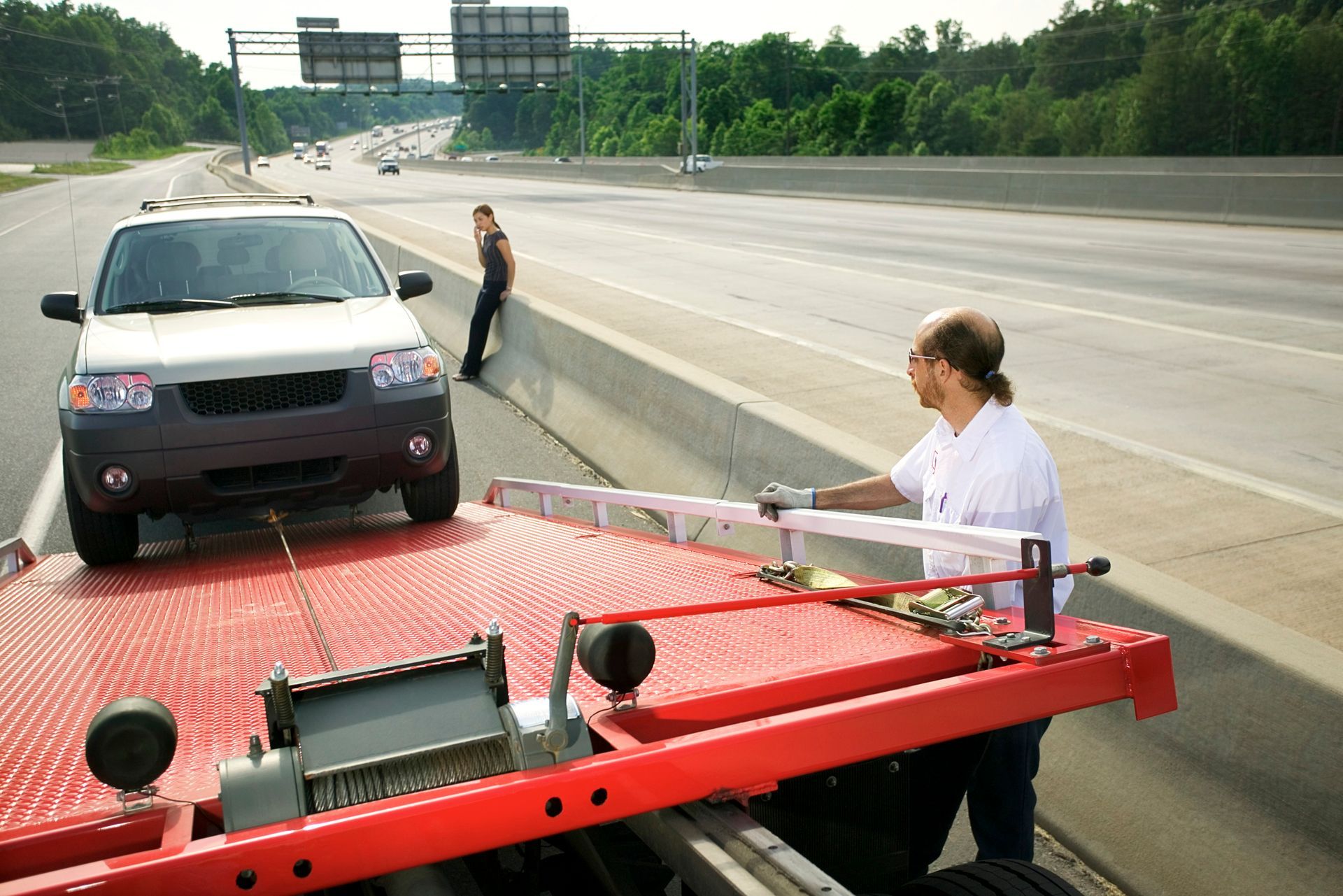
Certain challenging situations necessitate immediate contact with professional roadside assistance to ensure safety. When stranded on narrow highway shoulders, dealing with multiple failed tires, or lacking proper physical tools, relying on expert intervention prevents dangerous accidents and ensures proper vehicle handling.
Assessing environmental safety helps drivers determine whether to attempt personal repairs or wait for help. Adverse weather conditions, poor nighttime visibility, and heavy passing traffic make manual tire swaps incredibly hazardous, meaning personal well-being should always dictate the final decision.
Providing accurate information to your roadside assistance dispatcher accelerates response times and ensures appropriate deployment. Callers must communicate exact geographic coordinates, describe current vehicular damage clearly, and highlight immediate safety hazards like oncoming traffic or low-visibility conditions near the scene.
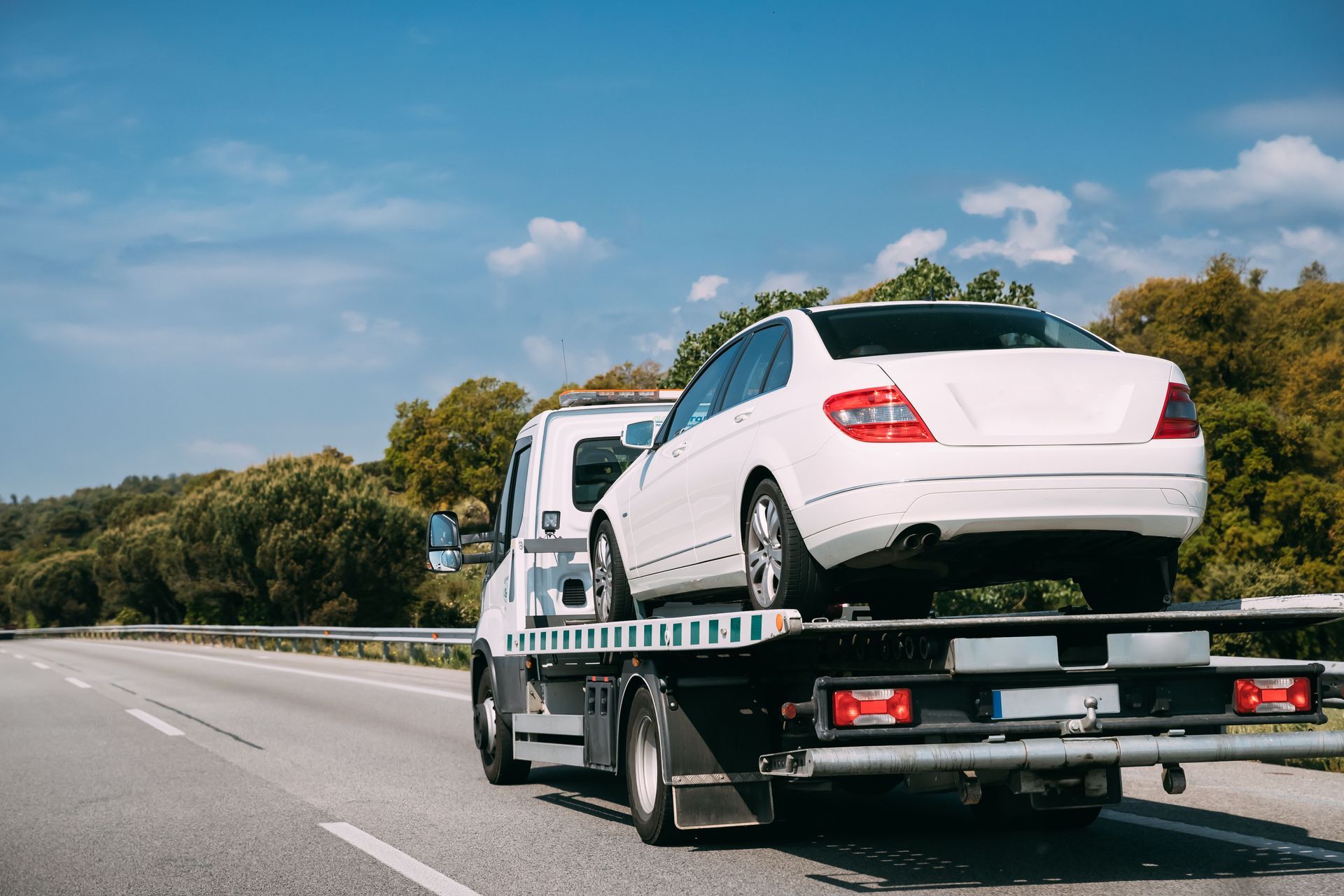
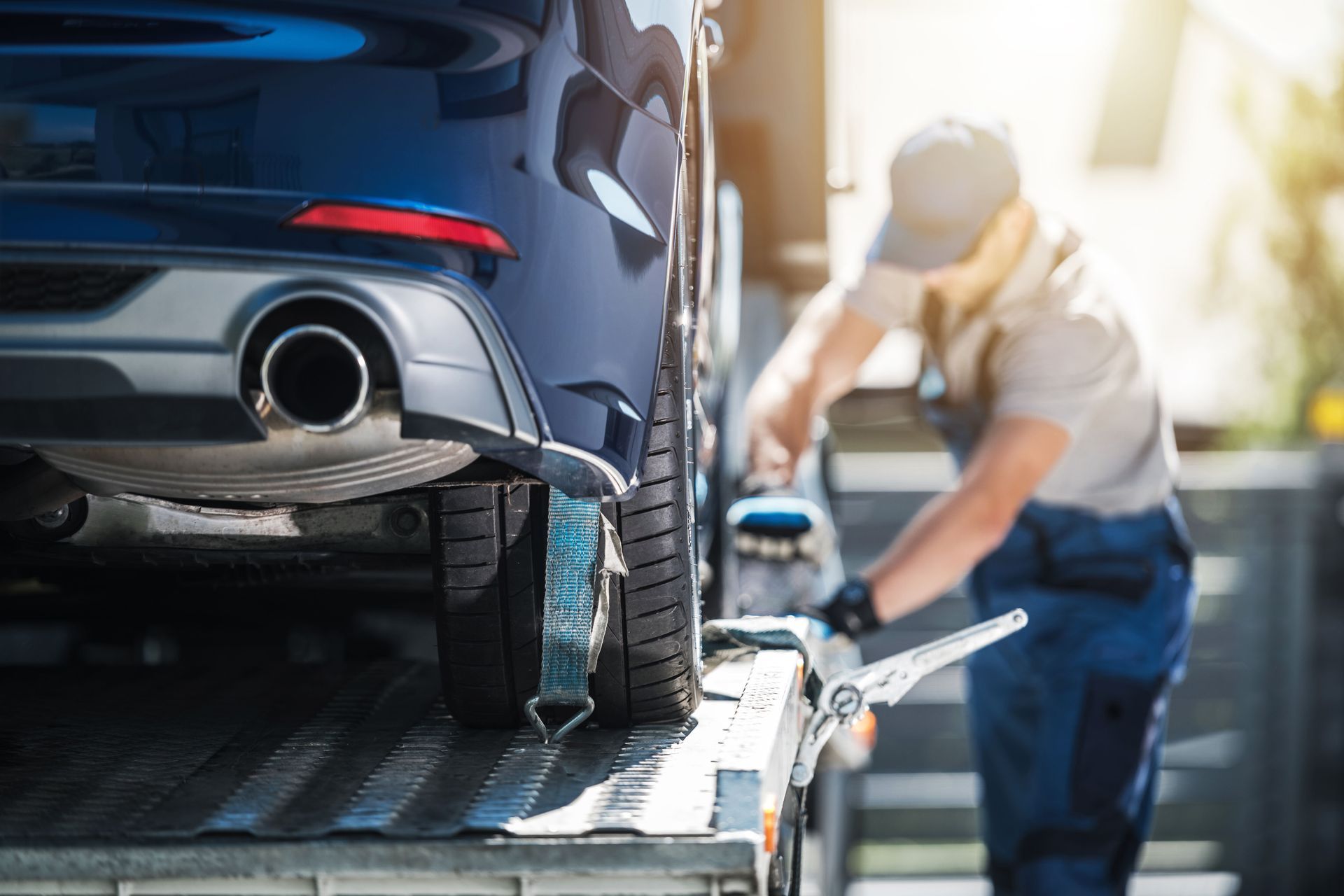
Standard roadside assistance packages deliver diverse solutions including tire replacement, emergency towing, and mechanical transportation. Competent technicians arrive equipped with specialized machinery to resolve emergencies quickly, offering peace of mind to motorists facing stressful mechanical failures during long journeys.
Select Proper Coverage Plans
Finding the right roadside assistance program requires evaluating your specific driving habits and regional travel requirements. Comprehensive options should encompass essential services like towing, lockouts, and emergency fuel delivery, alongside modern tracking applications that confirm rescue arrival times transparently.
Evaluating multiple providers involves comparing service limitations, annual subscription expenses, and verified customer testimonials. Some organizations offer extended towing distances, while alternative choices focus on rapid urban response metrics, helping you select a service that aligns perfectly with your lifestyle.
Tiered coverage options allow motorists to customize their level of emergency vehicle protection economically. Basic plans satisfy occasional city commuters, whereas premium memberships provide extensive cross-country towing benefits and travel discounts designed specifically for frequent long-distance travelers seeking maximum security.
Prioritizing exceptional customer support ensures reliable communication when unexpected automotive challenges happen. Dedicated helplines and responsive service networks transform stressful delays into manageable situations, proving that the overall value of a premium protection plan outweighs the minimal monthly subscription cost.
Evaluate Past Travel Experiences
Maintaining composure during unexpected mechanical emergencies allows motorists to execute safety protocols effectively. According to Agero, deflated tires represent approximately 20% of annual vehicular emergencies across the nation, proving that while these disruptions are common, they remain completely manageable with proper preparation.
Sharing stories about frequent errors helps the driving community avoid dangerous oversights during emergencies. Common missteps include forgetting to engage the parking brake or failing to loosen hardware before lifting the vehicle, which highlights the critical importance of educational outreach.
Seasoned motorists offer invaluable wisdom regarding regular tire maintenance and emergency preparedness. Learning from their experiences teaches new drivers to monitor pressure levels consistently, recognize potential roadside safety hazards, and avoid fraudulent towing operations during stressful situations.
Overcoming a tire emergency builds long-term confidence and enhances overall driver readiness for future trips. Every resolved issue refines your mechanical knowledge, ensuring you can face unexpected journey disruptions calmly, protect your passengers effectively, and maintain complete control over challenging vehicular situations.
Navigating flat tire emergencies demands a balanced combination of preventative maintenance, proper equipment, and decisive action. Understanding how to manage these common occurrences ensures your safety, protects your vehicle from expensive structural damage, and allows you to secure dependable roadside assistance whenever unexpected issues arise.
Staying prepared transforms potential highway crises into minor, manageable delays on your journey. If you experience an unexpected blowout on the road and need assistance, contact our team immediately and let us provide the expert assistance you deserve at Fox City's Towing.


Share On: