
Auto Repair Service Costs: What the Average Driver Should Know
Nicholas Van | June 18, 2026
Understanding the financial obligations associated with professional auto repair services is vital for every vehicle owner. Keeping up with routine inspections and timely mechanical interventions remains essential for preventing major system failures and avoiding steep expenses down the road. As vehicles age, they require more frequent attention, underscoring the necessity of staying educated about operational costs. By reviewing standard maintenance tasks, cost factors, and long-term care strategies, drivers can manage their vehicles efficiently and avoid sudden financial strain. Proactive management ensures that your vehicle remains highly dependable for all daily commutes, weekend getaways, and unexpected travel obligations throughout the year.
Navigating the world of automotive upkeep can feel overwhelming, especially with the wide variety of service providers and pricing structures available today. Car owners frequently struggle to distinguish between routine preventative care and urgent emergency fixes, which often leads to severe budgeting issues and unexpected credit card debt. Gaining a clear perspective on what goes into balancing vehicle health can shift your relationship with local technicians from one of stress to one of total empowerment. Investing time into learning about auto repair services ensures that you can make informed choices rather than emotional, reactive decisions when a dashboard warning light suddenly illuminates.
Evaluate Standard Maintenance Needs
Every automobile relies on a continuous schedule of preventative upkeep to remain safe, reliable, and operational on the road. Standard procedures like oil changes, fluid flushes, tire rotations, and brake inspections form the absolute backbone of vehicle longevity and performance. Skipping these simple tasks often triggers a costly domino effect, where a minor issue escalates into a massive mechanical failure that requires expensive auto repair services. Consistently addressing these baseline needs allows vehicle owners to preserve engine performance, protect vital internal components, and maintain optimal fuel efficiency throughout the entire lifespan of the vehicle while preventing dangerous driving conditions.
The frequency of these maintenance intervals depends largely on individual driving habits, local environmental conditions, and the specific recommendations outlined by automotive engineers. According to Bankrate, the average driver drives 13,596 miles every year, which means that components like brake pads, belts, and tires experience constant, ongoing degradation over the course of a single year. This consistent usage highlights why waiting for a part to break before seeking assistance is an unsafe and financially reckless approach to vehicle ownership. Tracking your annual mileage helps you anticipate when your vehicle will require professional intervention before major symptoms surface, helping you budget for seasonal needs effectively.
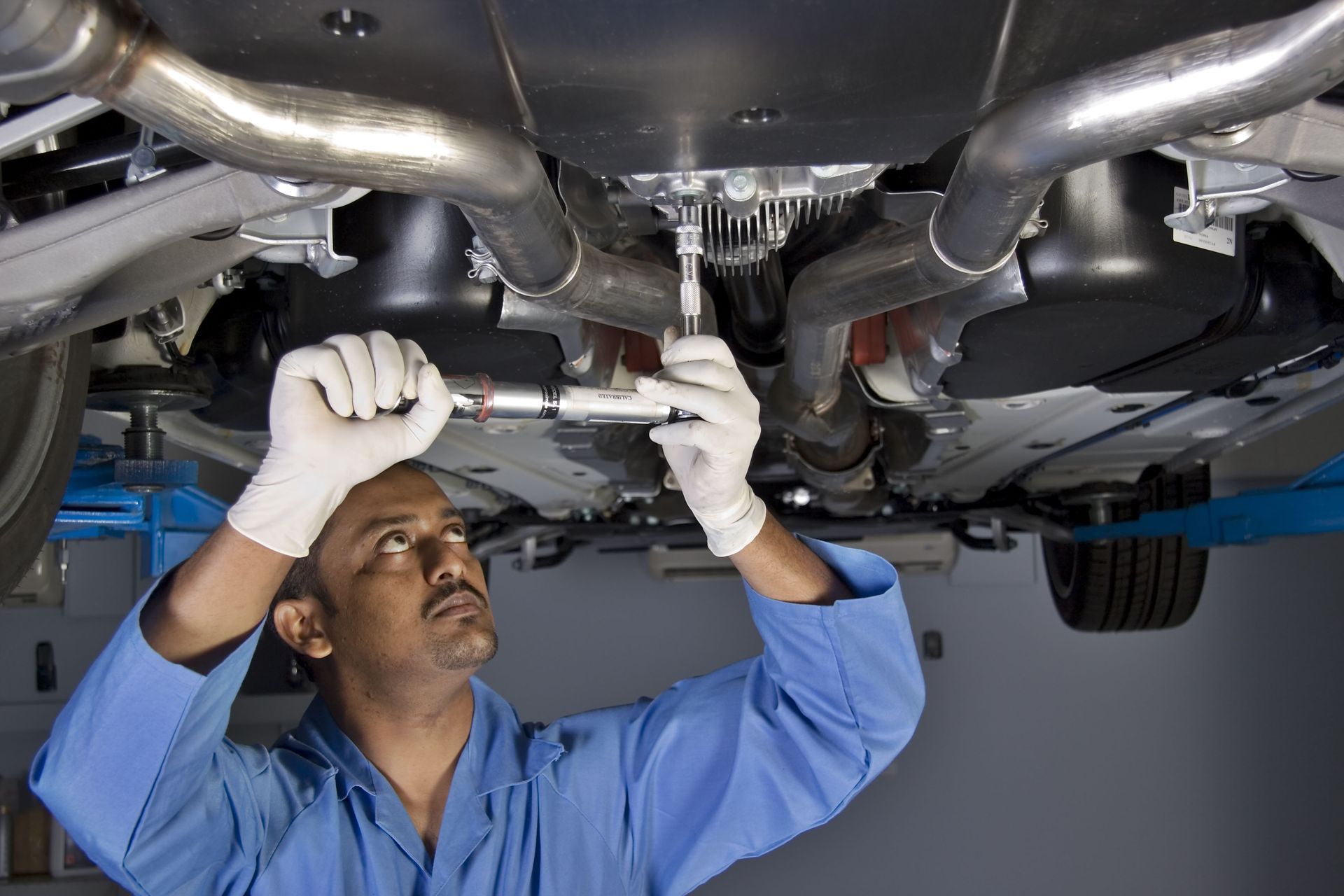
Beyond basic oil changes, drivers must also account for periodic system diagnostic checks to ensure complex electrical, cooling, and exhaust networks function correctly. Modern automotive designs utilize sophisticated onboard computers that monitor everything from emissions control to transmission shifts, making professional oversight completely indispensable for troubleshooting. Relying on qualified shops for these specialized auto repair services helps catch hidden flaws before they cause a complete breakdown during your daily commute or highway travels. Establishing a predictable routine for these comprehensive evaluations creates immense peace of mind, extends the functional lifespan of the asset, and keeps your vehicle performing at its absolute best.
Identify Common Cost Factors
When calculating the total expense of a shop visit, several variable elements influence the final invoice presented to the consumer at the counter. Labor rates represent a significant portion of the total bill, varying greatly depending on the geographical region and the complexity of the required mechanical work. Specialized diagnostics require advanced computer tools and specialized training, which can heavily influence the hourly rate charged by local repair facilities. Understanding how these baseline operating expenses dictate shop pricing can help consumers set realistic expectations when budgeting for automotive needs rather than assuming prices are arbitrarily inflated.
The selection of replacement parts represents another major factor that sways the overall expense of professional auto repair services. Vehicle owners frequently choose between original equipment manufacturer components and aftermarket alternatives, each presenting distinct advantages and pricing structures for the consumer. While original components guarantee an exact factory fit, high-quality aftermarket alternatives sometimes provide comparable durability at a much more accessible price point. Discussing these components openly with a service writer allows drivers to balance immediate budget constraints with long-term mechanical reliability. Making informed choices regarding these materials can significantly lower overall financial burdens without compromising driver safety.
Vehicle make and model design also dictate the ease of access to buried components, heavily impacting the total labor hours required for a fix. Certain imports or luxury vehicles utilize intricate layouts that demand specialized tooling and extended teardown processes to replace basic wear items like alternators or water pumps. Consequently, a task that takes an hour on a simple domestic sedan might require half a day on a complex performance vehicle. Recognizing these structural differences prevents surprises and helps owners appreciate the specialized labor involved in maintaining complex automotive systems. Being aware of your specific vehicle's engineering can guide your financial expectations before you request a quote.
Plan Budgeted Care Strategies
Mitigating the high costs of sudden mechanical failures requires a proactive approach centered on consistent saving and thorough research before emergencies happen. Developing a dedicated emergency car fund ensures that unexpected issues do not disrupt your personal finances or leave you without reliable transportation for work. Setting aside a small amount each month creates a financial buffer specifically earmarked for future auto repair services. This financial readiness transforms unexpected breakdowns from catastrophic emergencies into manageable maintenance events, lowering stress levels for the entire household. Consistently contributing to this fund provides long-term security as your vehicle accumulates mileage over time.
Building a strong, communicative relationship with a local automotive shop represents another excellent method for managing long-term vehicle expenditures throughout the year. Finding a local garage where technicians explain problems clearly helps you prioritize fixes based on immediate safety risks versus deferred maintenance items. Clear communication ensures that you only pay for necessary work while allowing you to map out future mechanical investments over several months. Trustworthy shops will gladly help you create a timeline for upcoming needs, preventing multiple expensive problems from hitting your wallet simultaneously. This collaborative approach turns automotive care into a predictable, cooperative partnership.
Learning to recognize early warning signs can prevent minor mechanical glitches from snowballing into severe, unfixable structural damage. Unusual noises, strange vibrations, or subtle changes in braking performance serve as early indicators that your vehicle requires immediate professional attention. Addressing these warning signs promptly through trusted auto repair services saves money by protecting adjacent components from consequential damage. Taking immediate action when a problem first appears preserves the integrity of your vehicle and keeps your long-term operating costs as low as possible. Staying observant while behind the wheel allows you to catch system flaws before they trigger a roadside emergency.
Balancing the long-term operational costs of vehicle ownership requires a mixture of education, consistent budgeting, and proactive maintenance habits. Staying informed about standard maintenance intervals and common cost factors allows drivers to handle mechanical needs with confidence and clarity. Prioritizing routine checkups prevents minor problems from developing into massive safety hazards or financial burdens. Utilizing reliable auto repair services when necessary keeps your vehicle safe and dependable for every journey you undertake.
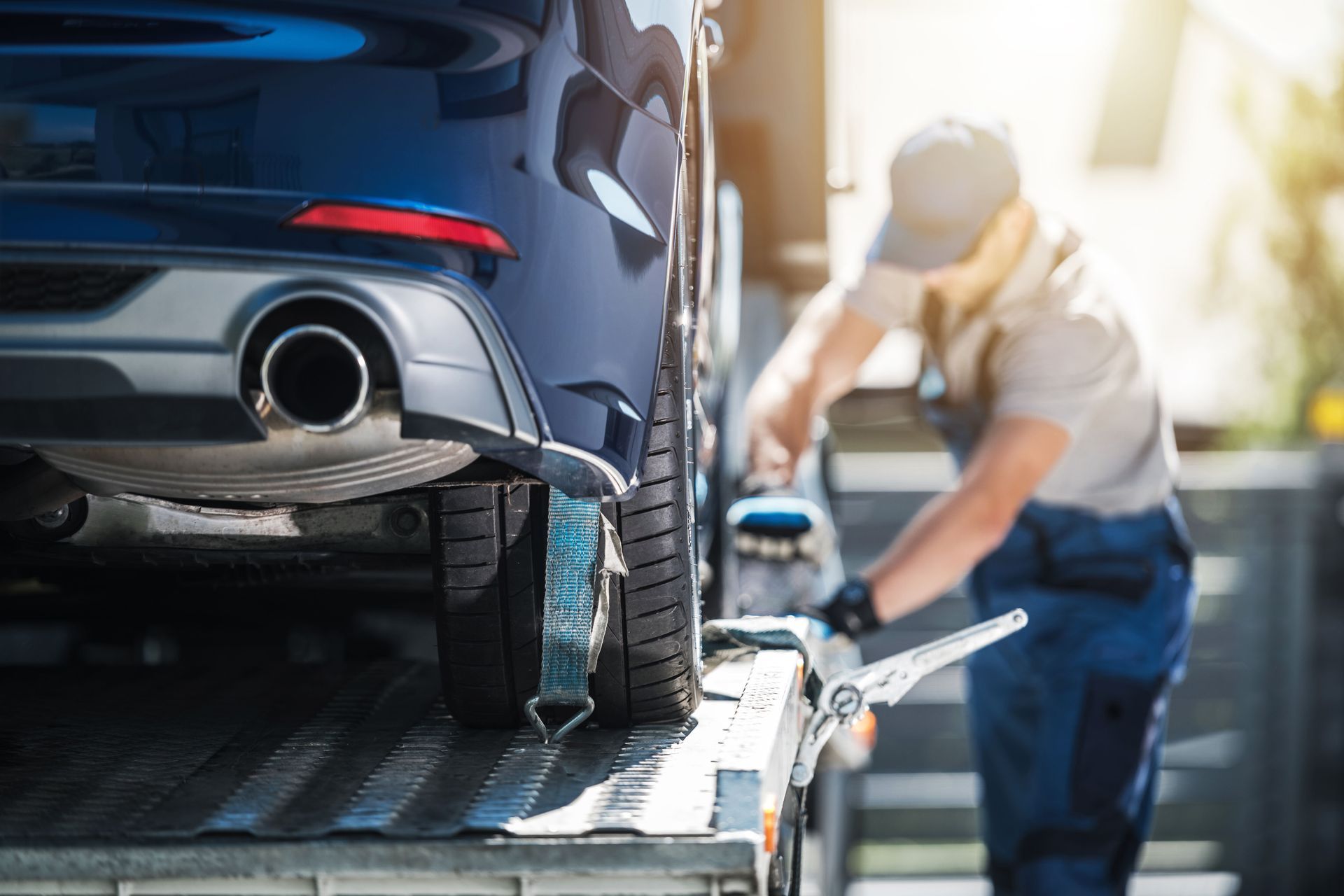
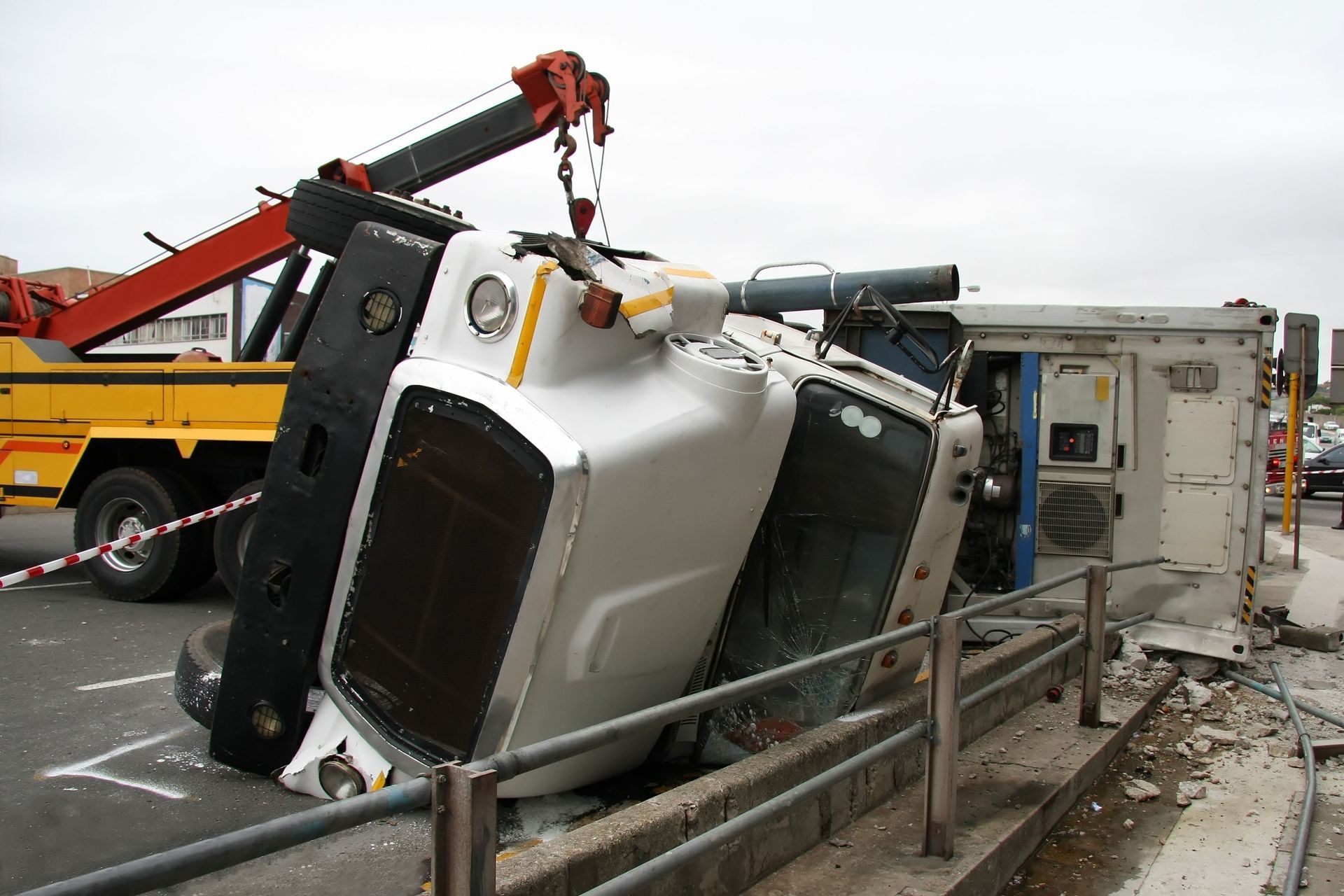
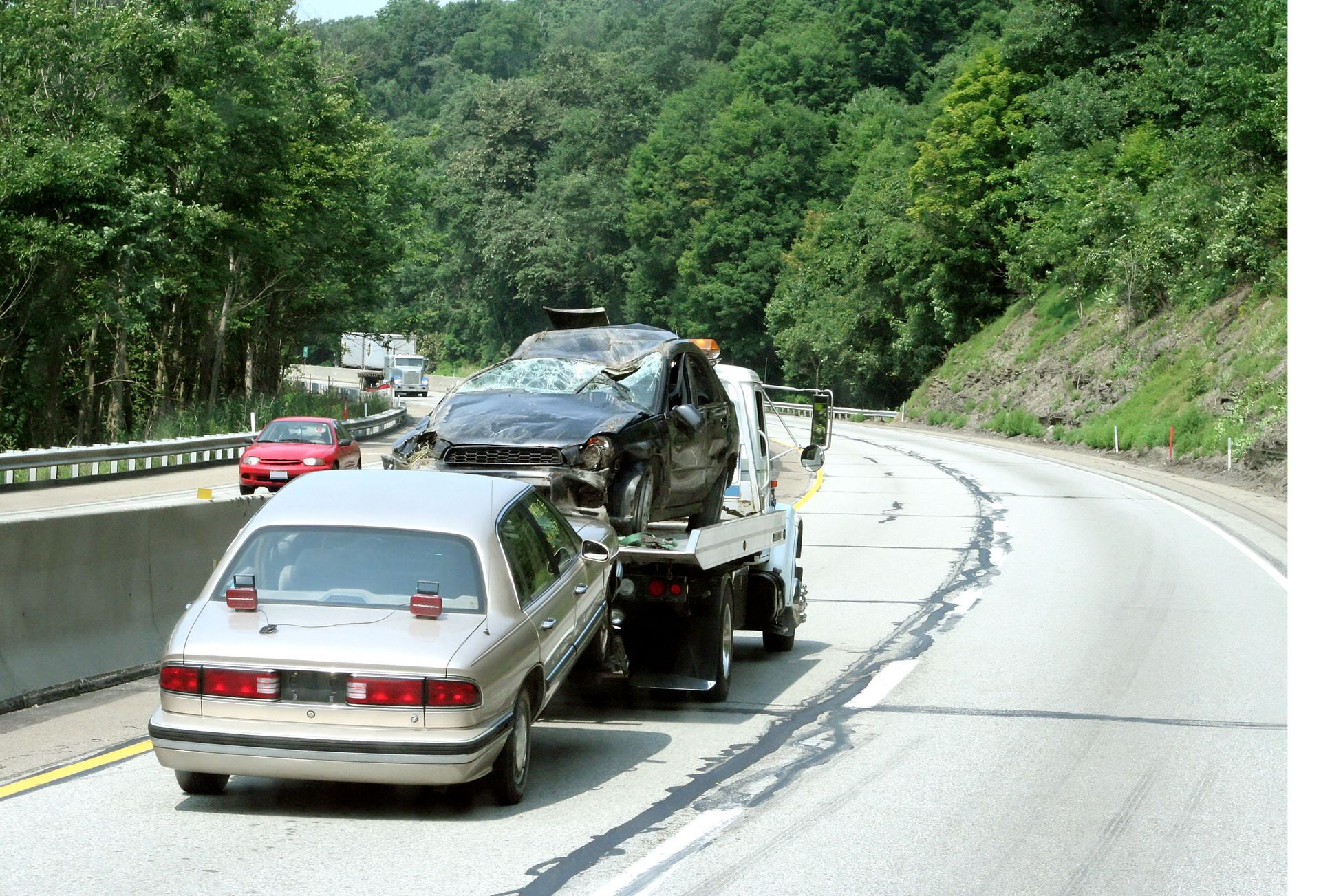
While preventative care significantly reduces the frequency of unexpected mechanical issues, unexpected roadside events can still happen to any driver. Having a reliable plan for these emergency situations ensures that you are never left stranded on the highway without support. When unexpected vehicle breakdowns or accidents disrupt your travel plans, we invite you to reach out to our team at Fox City's Towing for dependable assistance.





Share On: