
Professional Towing Guide for Safe Vehicle Transportation
Nicholas Van | July 23, 2026
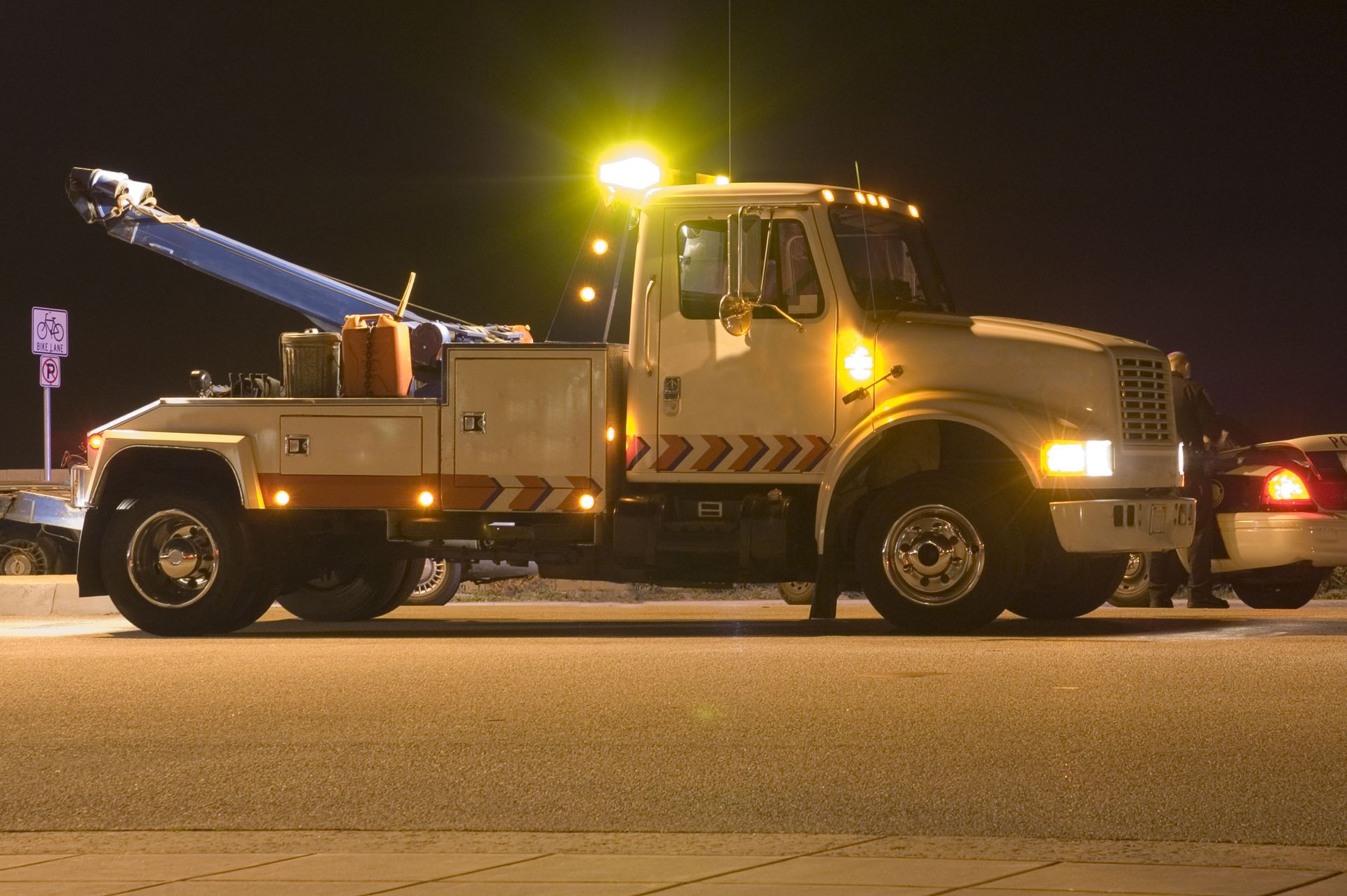
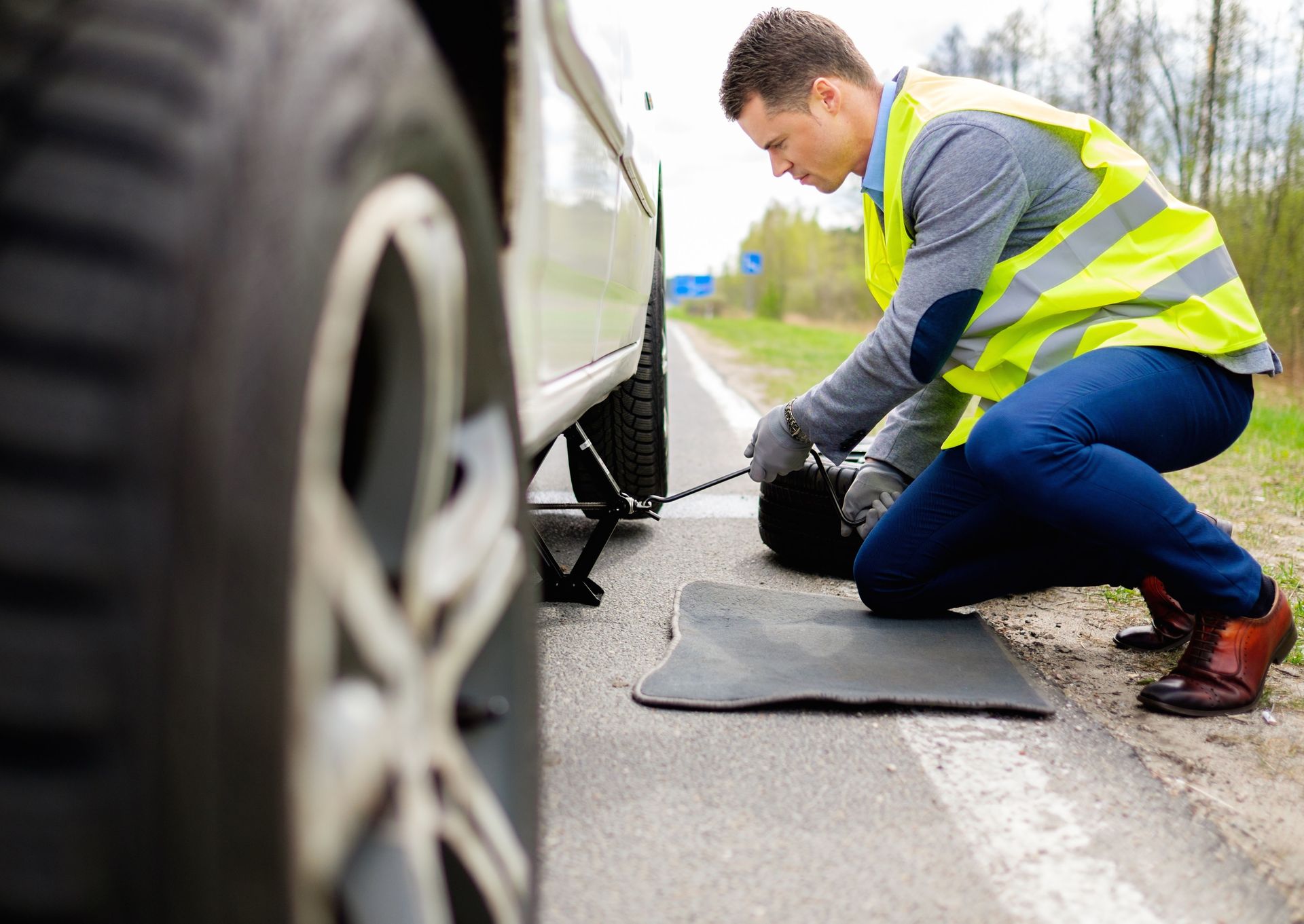
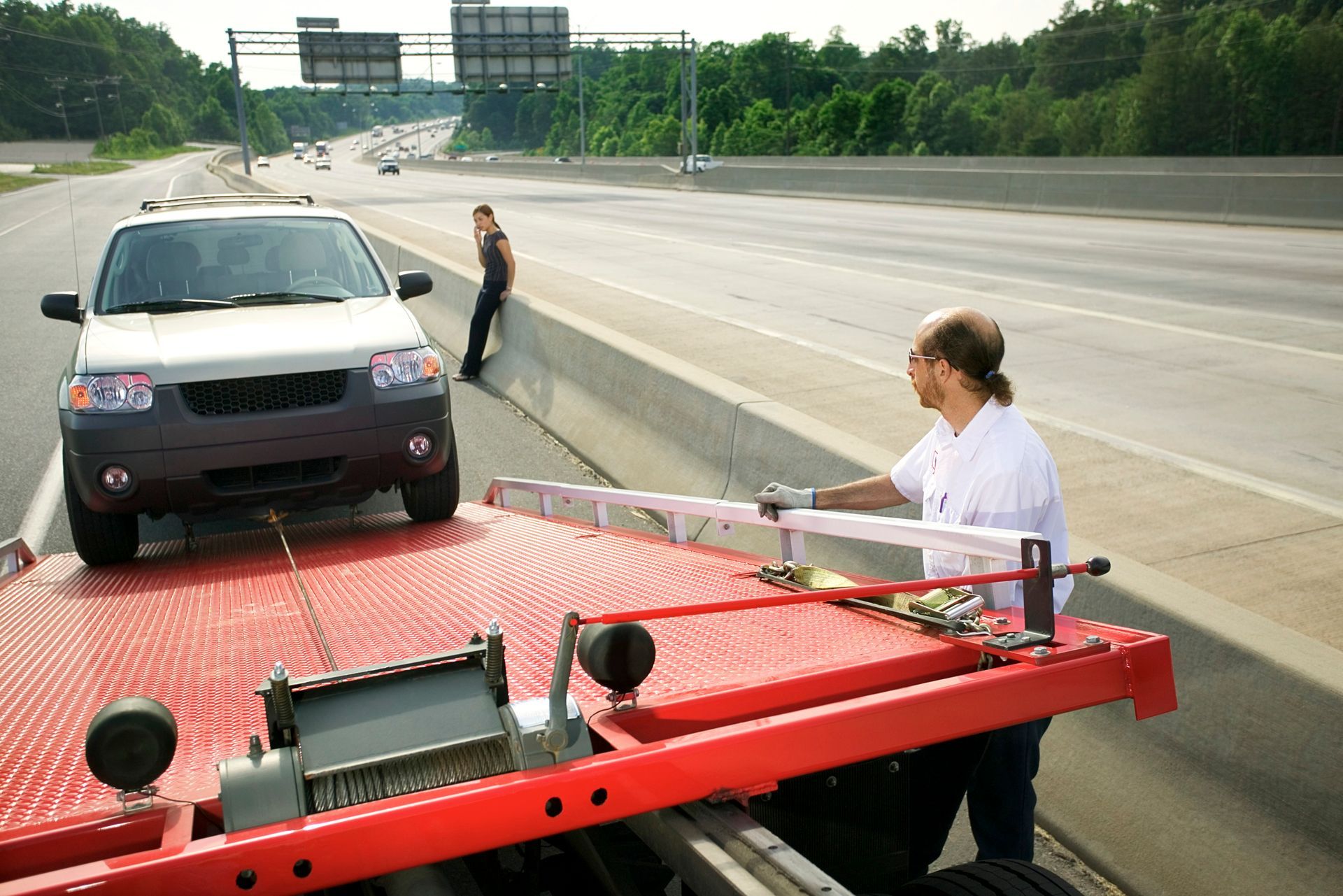
Understanding the essentials of professional towing can make a significant difference in ensuring the safety and security of both the haul vehicle and all parties involved. Knowledge about towing can prevent costly mistakes and ensure efficient operations. Towing services play an essential role in transport logistics, supporting both personal asset recovery and commercial transport needs. When a mechanical failure occurs on a high-speed highway, the speed at which an operator secures the scene dictates the safety of everyone involved. Emergency roadside crews must establish a clear safety perimeter using high-visibility traffic cones and synchronized LED light bars before approaching a stranded asset. This proactive positioning reduces the risk of secondary collisions and provides an organized workspace for the loading process.
Furthermore, public safety depends on how well an agency trains its operators to handle unpredictable road hazards and fluctuating traffic patterns. Navigating gridlocked urban expressways or narrow mountain passes requires sharp spatial awareness and a deep understanding of vehicle dynamics. By standardizing these safety procedures across every dispatch, a company can shield its customers from unnecessary risk while maintaining a highly efficient workflow. This foundational discipline elevates an ordinary roadside response into a highly specialized logistics operation, ensuring that every asset is treated with absolute care from the moment hookup begins.
Classifying Specialized Towing Equipment
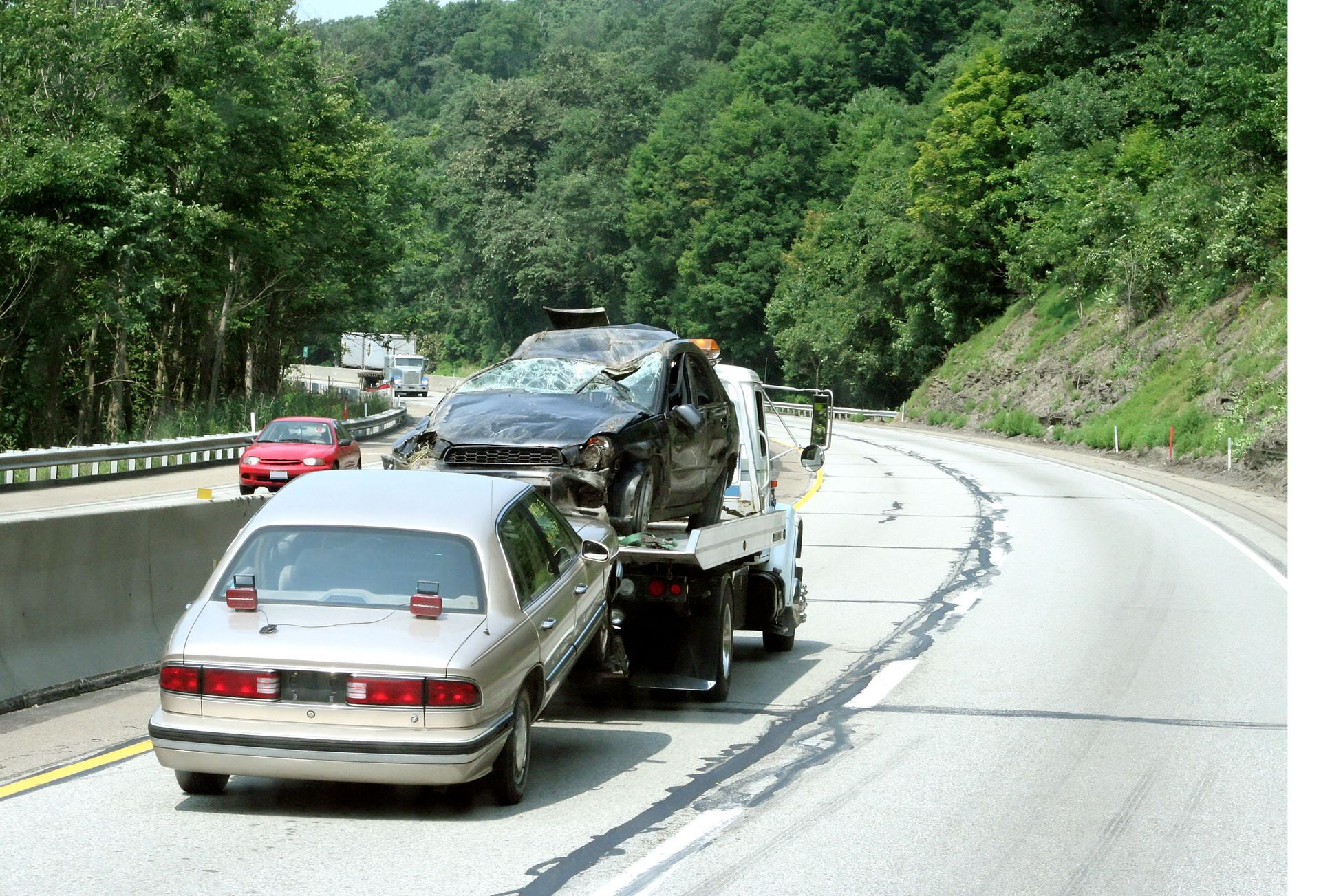
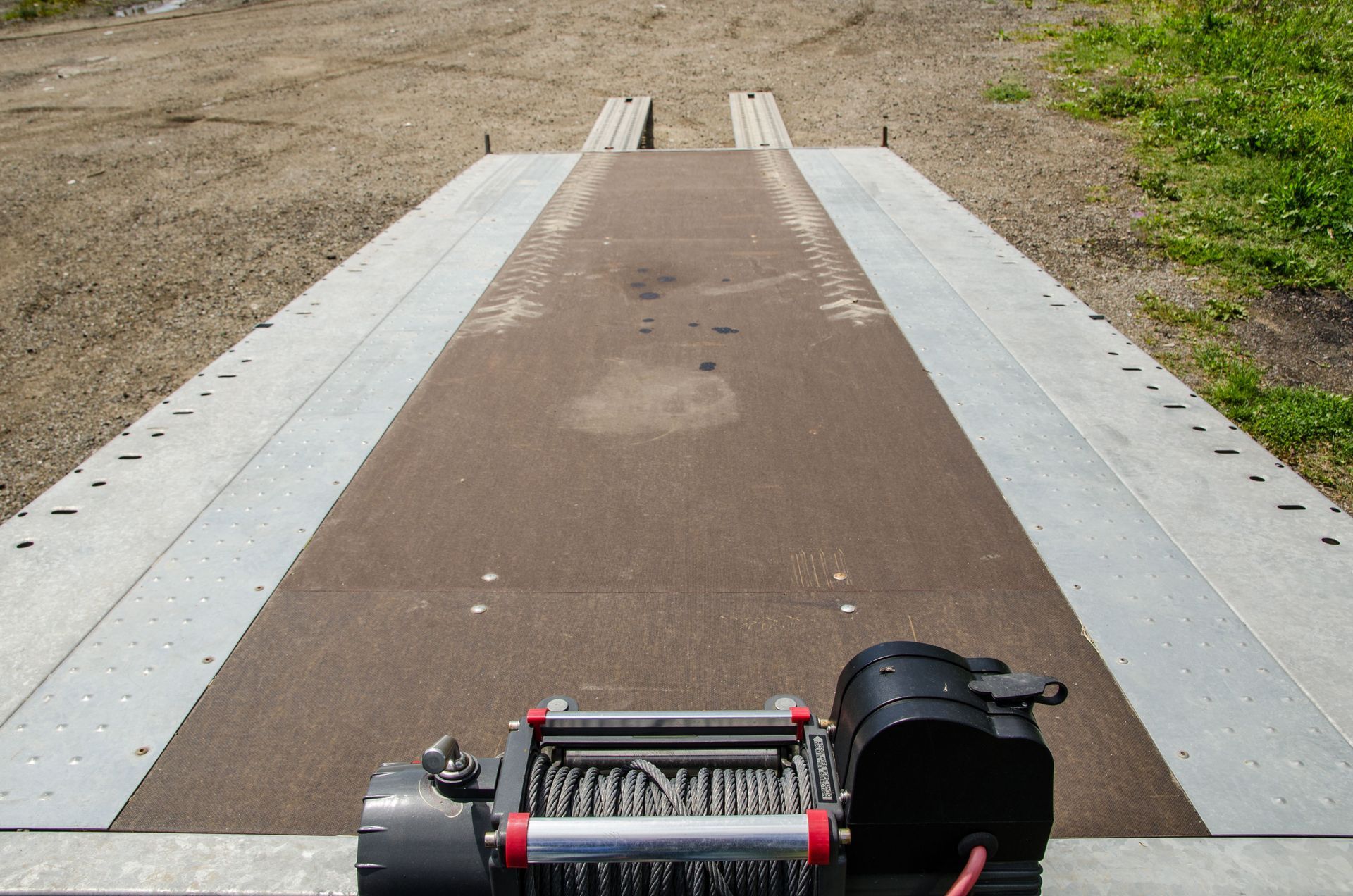
Towing assets come in various forms designed to meet specific recovery needs. Flatbed trucks provide a stable platform for securing loads, while wheel-lift systems offer a safer alternative to older hook-and-chain models by minimizing contact with the chassis. Integrated tow trucks combine wheel-lift and boom technologies to manage heavy-duty or long-distance demands. Utilizing the correct truck configuration is the foundational step in reliable vehicle transportation because it prevents structural alignment damage during transit. According to LookupAPlate, about 55,000 vehicles are towed each day in America, a figure anticipated to rise because the average vehicle age is now 12.1 years. For luxury sedans, all-wheel-drive crossovers, and low-clearance sports cars, flatbed decks are the mandatory industry standard because they completely eliminate drivetrain wear by keeping all four wheels off the pavement.
Calculating Exact Weight Capacities
Determining safe towing limits requires precise calculations involving a truck's structural specifications, engine configuration, and hitch ratings. Exceeding these established weight capacities can lead to catastrophic mechanical failures, braking instability, or dangerous highway accidents. Proper weight distribution across the axles ensures the towing vehicle maintains optimal road traction and steering control. Balancing the load accurately mitigates dangerous trailer sway, protecting the integrity of the asset during long-distance vehicle transportation. Operators must calculate the Gross Vehicle Weight Rating (GVWR) and the Gross Axle Weight Rating (GAWR) to guarantee the tow truck is not overloaded, which can cause sudden tire blowouts or structural frame snapping under intense stress.
Implementing Strict Legal Compliance
Operating a commercial towing service requires strict adherence to state and federal transit regulations, including specialized commercial driver's licensing (CDL). Maintaining comprehensive liability insurance, collision protection, and specialized on-hook coverage safeguards companies against unexpected roadside financial losses. Understanding these legal frameworks helps operators manage fault parameters during commercial operations. Adhering to regional weight limits and certified safety routes ensures seamless vehicle transportation without risking costly regulatory citations or operational shutdowns. Fleet managers must also maintain pristine, up-to-date Electronic Logging Device (ELD) records to fully document hours of service and prevent driver fatigue violations.
State laws often dictate strict guidelines regarding maximum towing widths, mandatory safety chain configurations, and the exact placement of auxiliary brake lights on a towed asset. Failing to meet these legal criteria can result in devastating financial liabilities, immediate vehicle impoundment, and the permanent revocation of commercial operating authority. Furthermore, specialized on-hook insurance coverage is required to protect the specific value of the client's asset while it is physically connected to the wrecker. By maintaining full regulatory compliance and keeping clear digital records of all certifications, a professional operation shields its business assets and gives consumers total peace of mind during complex transport jobs.
Integrating Advanced Fleet Technology
Adopting modern technological innovations significantly optimizes dispatch efficiency and asset safety margins. Real-time GPS tracking systems provide instant location updates, optimize delivery routing, and allow clients to monitor their assets remotely. Advanced tow trucks now feature automated safety elements like collision detection, automatic emergency braking, and dynamic traction control systems. These digital updates streamline coordination and ensure continuous accountability throughout the entire vehicle transportation workflow. Smart dispatch software automatically analyzes active traffic conditions and vehicle weight classes to route the closest, properly equipped wrecker directly to an incident scene, drastically cutting down customer wait times.
Executing Safe Hookup Procedures
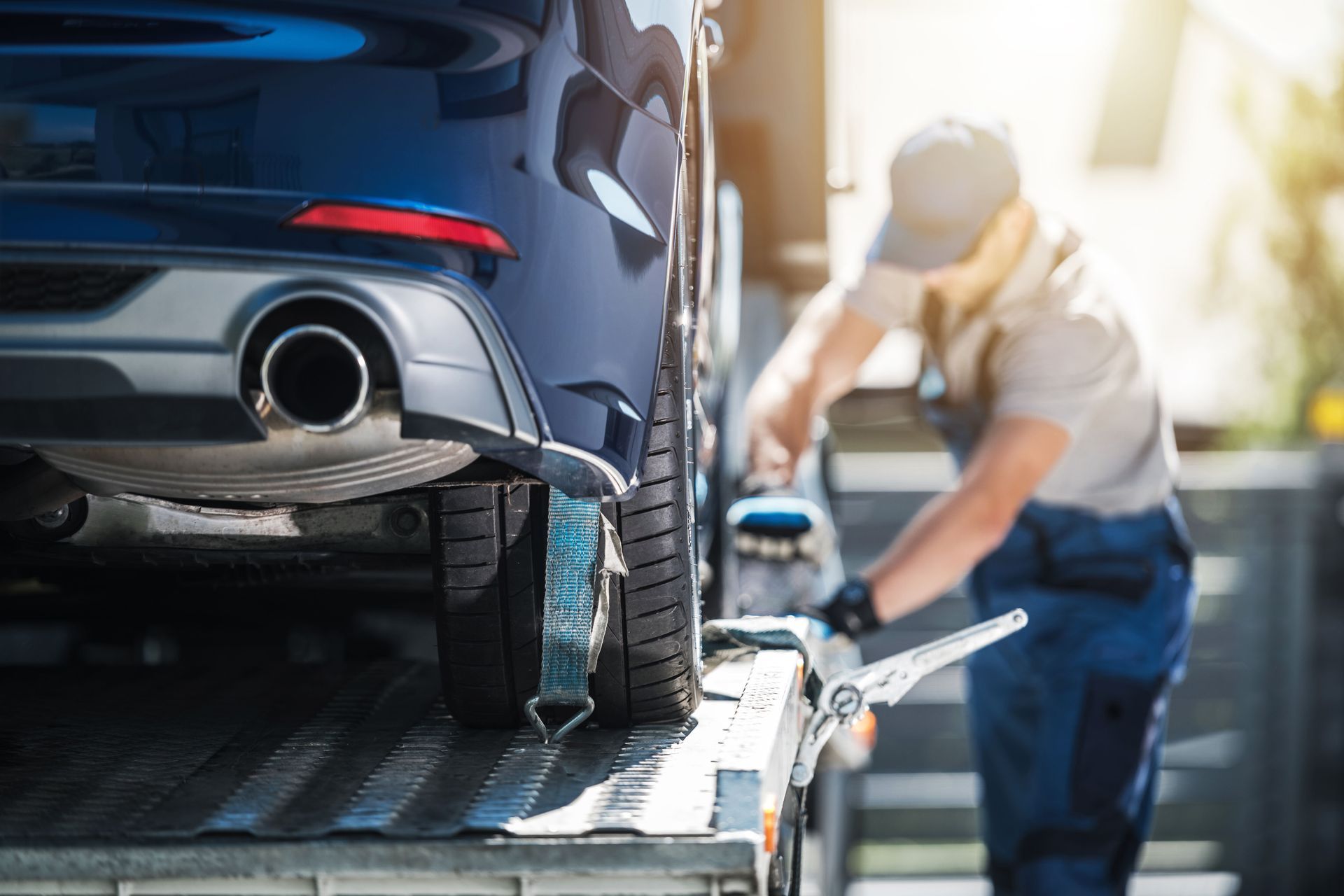
Mastering precise connection workflows involves following a meticulous step-by-step approach to secure the load perfectly. Operators must select compatible hitches, verify receiver lock integrity, and secure heavy-duty safety chains in a crisscross pattern beneath the tongue. Proper maneuvering requires an acute awareness of an expanded turning radius and specialized counter-steering techniques. Eliminating lateral trailer sway through proper mechanical adjustments guarantees stable and secure vehicle transportation across crowded urban corridors. Before moving, drivers must double-check all tie-down straps, heavy-duty transport chains, and axle loops to confirm the load is fully locked to the flatbed deck or wheel-lift arm.
When backing into a hookup position, operators must rely on precise spotters or high-definition backup cameras to avoid damaging the stranded asset's front fascia or bumper. Once aligned, safety chains must be crossed under the trailer tongue to create a secure cradle that will catch the hitch if it ever disconnects from the ball. All wiring harnesses for the trailer’s auxiliary brakes and turn signals must be firmly plugged in and tested for full functionality before entering public roads. Taking this disciplined, detail-oriented approach prevents accidental unhooking on the highway, protects the vehicle's body from structural scuffs, and ensures the entire rig operates in total harmony during transit.
Preparing Extended Transport Logistics
Executing long-distance hauls requires comprehensive pre-trip planning, detailed route mapping, and rigorous mechanical inspections. Drivers must schedule strategic rest breaks to fight fatigue and perform routine equipment checkups to verify chain tension and tire pressure. Preparing a dedicated emergency kit containing reflective safety gear and essential hand tools ensures rapid response capabilities during unforeseen mechanical failures. This high level of proactive logistical preparation eliminates unexpected transit delays during cross-country vehicle transportation. Long-haul routes must be analyzed ahead of time to avoid low-clearance bridges, weight-restricted secondary roads, and steep mountain passes that can overheat a truck's braking system.
Managing Operational Cost Dynamics
Controlling overhead expenses requires balancing fuel efficiency practices, fleet maintenance schedules, and strategic resource allocation. Implementing aerodynamic tools and avoiding excessive engine idling helps mitigate rising fuel costs during heavy-duty operations. Responsible operators must also comply with community zoning policies and infrastructure weight restrictions to reduce highway wear. Managing these economic parameters carefully ensures a highly sustainable business model that consistently delivers premium roadside solutions. By scheduling regular preventative maintenance, like engine oil analysis and hydraulic seal inspections, companies can avoid expensive breakdown repairs and extend the life of their trucks.
Securing Reliable Roadside Solutions
Adopting these comprehensive technical frameworks, legal protections, and maintenance routines ensures maximum safety and professionalism within the towing industry. Embracing technological innovation and cost-management practices allows companies to sustain clear competitive advantages while protecting client property. To secure premium emergency assistance, certified recovery specialists, and industry-leading roadside care, depend on the professional team at Fox City's Towing.



Share On: